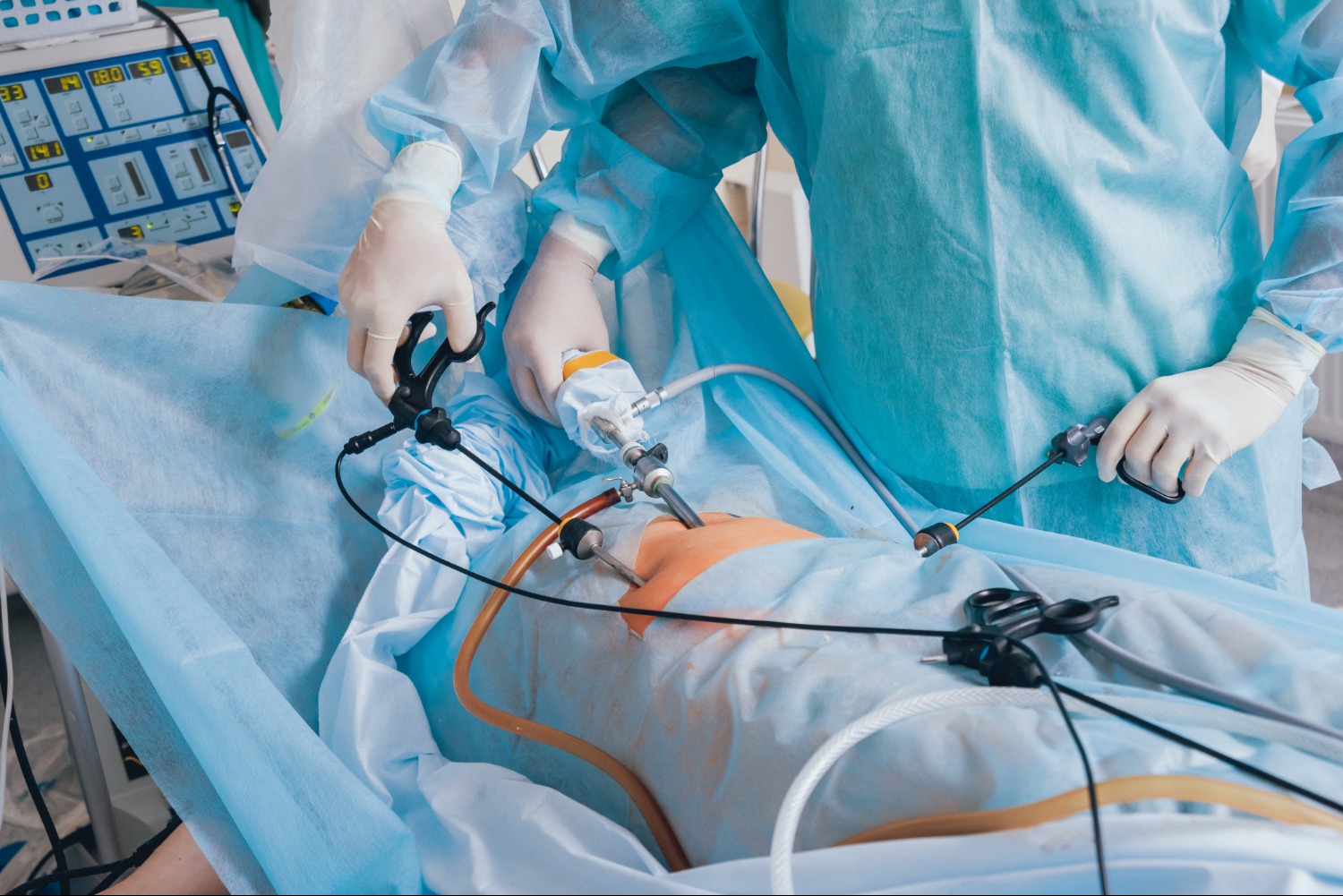
When surgery is recommended, many patients immediately ask whether it can be performed through smaller incisions. A Laparoscopic surgeon uses minimally invasive techniques for suitable operations, but the decision involves more than choosing between large and small cuts.
The underlying diagnosis, complexity of the condition, previous surgery and overall health all influence the surgical approach.
Patients in Pimpri Chinchwad, Maharashtra, can make a more informed decision by understanding what to discuss before proceeding.
Understand Why Laparoscopy Has Been Suggested
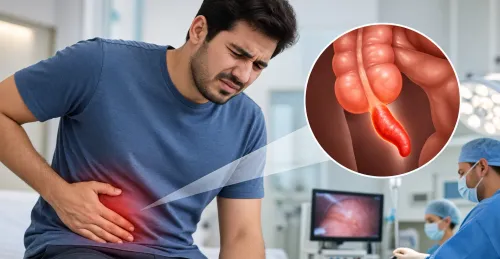
Laparoscopic surgery uses a camera and specialised instruments introduced through small incisions. It is used for a range of abdominal operations, including selected gallbladder, appendix and hernia procedures.
Potential benefits in appropriate cases may include smaller incisions, reduced postoperative discomfort and earlier return to some routine activities. Individual recovery still varies.
A useful consultation should explain why laparoscopy is suitable for the particular diagnosis rather than simply presenting it as the latest technique.
Ask About the Exact Operation
Patients sometimes know that they are having 'laparoscopic surgery' without understanding what will actually be done.
Ask the surgeon to explain:
- The organ or tissue being treated
- The objective of surgery
- Where the incisions are likely to be
- The expected anaesthesia
- Typical hospital stay
- Expected recovery
- Important complications
- Postoperative restrictions
Knowing the procedure makes consent and recovery planning more meaningful.
Understand That Conversion Can Sometimes Be Necessary
A laparoscopic operation may occasionally need to be converted to an open operation when this is judged safer because of anatomy, inflammation, bleeding, adhesions or unexpected findings.
Conversion is therefore an important possibility to discuss before surgery.
Patients should ask how decisions are made if circumstances change during the procedure.
Previous Surgery Matters
Past abdominal operations can create internal scar tissue known as adhesions. This does not automatically rule out laparoscopy, but it can affect technical planning.
Provide details of previous surgery, even when it occurred many years ago.
Other important information includes diabetes, heart or lung disease, allergies and medicines that affect blood clotting.
Evaluate Communication Alongside Technique
Technical experience matters, but so does the ability to explain the treatment plan clearly.
Patients travelling from Wakad, Hinjewadi, Pimple Nilakh and nearby areas may need practical information about admission, discharge and follow-up.
Dr. Bharat Oza, a surgeon providing general and laparoscopic surgical consultation, can assess whether a minimally invasive approach is suitable based on the diagnosis and individual clinical circumstances.
The best consultation is one in which the patient understands not only that laparoscopy is planned, but why it has been selected and what to expect afterward.
Frequently Asked Questions
Does a Laparoscopic surgeon perform every operation through small incisions
No. Suitability depends on the condition, patient factors and operative findings.
Is laparoscopic surgery completely scar free
No. Small incisions are still required and scars can remain, although their size and location depend on the procedure.
Can previous abdominal surgery affect laparoscopy
Yes. Previous surgery may cause adhesions and can influence surgical planning.
What should I ask before admission
Ask about fasting, medicines, expected hospital stay, recovery restrictions, follow-up and symptoms that would require medical review after discharge.
Keywords