A referral to a general surgeon does not automatically mean an operation has already been decided. In many cases, the consultation is the stage at which the diagnosis is reviewed, investigations are interpreted and the need for surgery is assessed.
General surgery covers a broad range of conditions involving the abdominal wall, gallbladder, appendix, breast, skin and soft tissues, along with selected anorectal and other surgical problems.
For patients in Pimpri Chinchwad, understanding what happens during a surgical consultation can reduce uncertainty.
Problems Commonly Assessed in General Surgery
People may seek surgical evaluation for concerns such as:
- A groin or abdominal swelling
- Suspected hernia
- Gallstones with symptoms
- Recurrent abdominal pain
- Appendix-related conditions
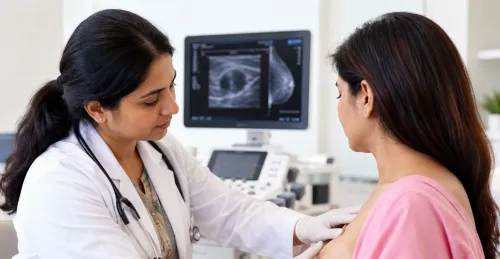
- Breast lumps
- Skin and soft-tissue lumps
- Abscesses
- Non-healing wounds
- Selected diabetic foot problems
The exact scope depends on the surgeon's training and the patient's condition.
Consultation Comes Before Treatment Choice
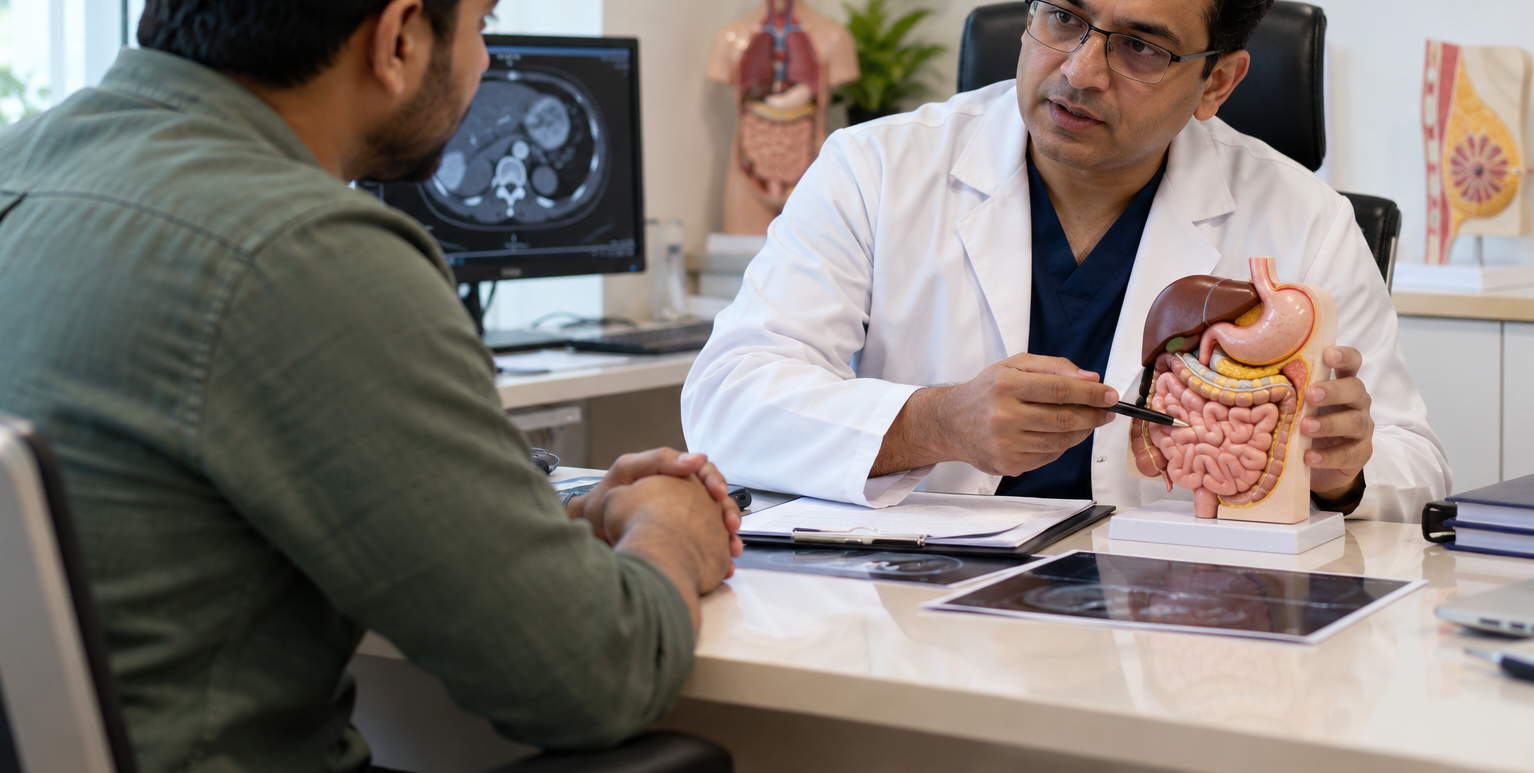
A surgical consultation typically starts with the history.
The surgeon may ask when symptoms began, what makes them better or worse, whether there has been previous treatment and whether symptoms are changing.
Examination then helps narrow the possibilities.
Depending on the problem, blood tests, ultrasound, CT imaging, mammography or other investigations may be considered. Not every patient needs every test.
The goal is to establish enough information to decide what happens next.
Surgery Is Not Always the Immediate Answer
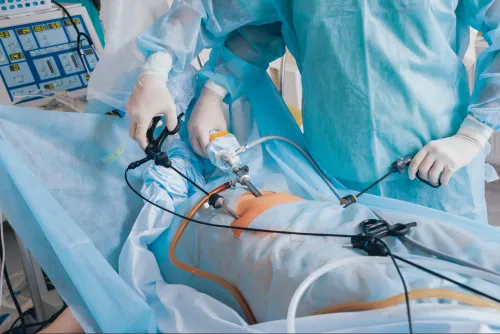
Some conditions can be monitored or managed conservatively. Others may need planned surgery. Certain acute problems require faster intervention.
This distinction is important.
For example, the presence of a lump does not automatically identify its cause, and abdominal pain does not automatically establish appendicitis or gallbladder disease.
The diagnosis should guide the treatment rather than assumptions based on one symptom.
Bring Existing Reports to the Appointment
Patients can often avoid unnecessary repetition by bringing previous reports, scans, prescriptions and discharge summaries.
A current medication list is equally useful.
Tell the surgeon about blood-thinning medication, diabetes treatment, drug allergies, previous anaesthesia problems and earlier operations.
People from Rahatni, Kalewadi, Thergaon and surrounding localities may also find it useful to prepare a short timeline of recurring symptoms.
Know What You Should Leave Understanding
By the end of the consultation, a patient should ideally understand the suspected diagnosis, whether more testing is required and the available management options.
If surgery is being considered, ask about the procedure, anaesthesia, expected admission, recovery and significant risks.
Dr. Bharat Oza provides general surgical assessment for patients seeking evaluation of common surgical conditions around Pimpri Chinchwad.
The value of seeing a surgeon is not simply access to an operation. It is access to surgical assessment that helps establish whether an operation is needed in the first place.
Frequently Asked Questions
Does seeing a general surgeon mean I definitely need surgery
No. Consultation is often used to establish the diagnosis and determine whether surgical, conservative or other specialist management is appropriate.
Should I bring old scans
Yes. Previous imaging and reports may provide useful information about how a condition has changed.
Can a general surgeon assess a breast lump
General surgeons commonly evaluate breast lumps, although further breast imaging, tissue sampling or specialist input may be required depending on findings.
What symptoms may require urgent assessment
Severe worsening abdominal pain, persistent vomiting, significant bleeding, rapidly increasing swelling, high fever with surgical symptoms or a severely infected wound can require urgent medical assessment.
Keywords