Rectal bleeding, anal pain, itching, swelling, and discomfort during bowel movements are symptoms many people delay discussing. Although piles are a common cause, similar symptoms can occur with fissures, fistulas, infections, and other anorectal conditions.
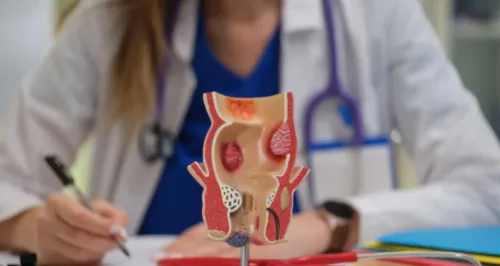
A Proctologist focuses on evaluating problems involving the anus and rectum. The important point is that treatment should follow an accurate diagnosis rather than assuming every episode of bleeding is caused by piles.
For people living in Wakad, Maharashtra, recurring anorectal symptoms are a practical reason to arrange an assessment, particularly when home remedies provide only temporary relief.
Symptoms Can Overlap
Piles, fissures, and fistulas are different conditions.
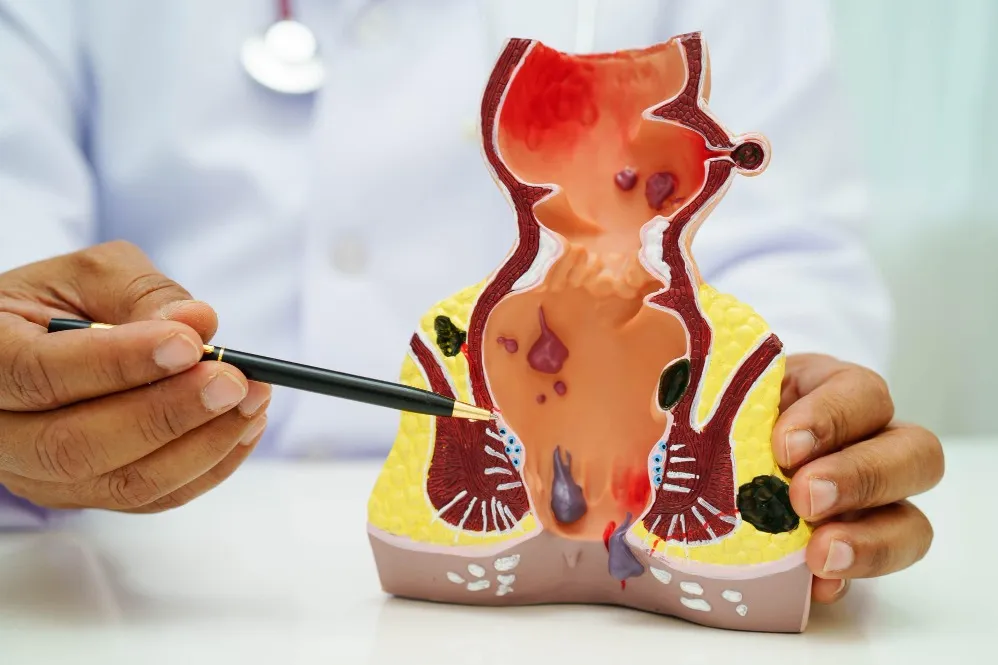
Piles involve swollen vascular tissue in the anal canal and may cause painless bleeding, itching, prolapse, or discomfort.
An anal fissure is a tear in the anal lining and commonly causes sharp pain during or after passing stool. There may also be fresh blood.
An anal fistula is an abnormal tract that can develop between the anal canal and surrounding skin, often following an infection or abscess. Recurrent discharge, swelling, or repeated painful boils near the anus can be warning signs.
Because symptoms overlap, self-diagnosis can lead to inappropriate treatment.
What Does Evaluation Involve
The consultation generally starts with questions about bleeding, pain, bowel habits, constipation, discharge, swelling, previous episodes, and existing medical conditions.
A clinical examination may then be required. Depending on the symptoms, additional examination or investigations can help determine the exact problem.
Patients should mention changes such as unexplained weight loss, persistent alterations in bowel habits, dark stools, significant bleeding, fever, or a family history of bowel disease.
Why Constipation Matters
Hard stools and repeated straining can aggravate several anorectal conditions. Improving bowel habits is therefore often an important part of management.
Useful measures may include:
- Adequate water intake
- Appropriate dietary fibre
- Regular physical activity
- Avoiding prolonged straining
- Responding to the natural urge to pass stool
- Using prescribed medicines correctly
These measures can support treatment, but they should not replace assessment when symptoms persist.
Does Every Condition Require Surgery
No. Management depends on the diagnosis and severity.
Some early problems can be treated with bowel regulation, medication, dietary changes, and local measures. Persistent or advanced conditions may require procedures.
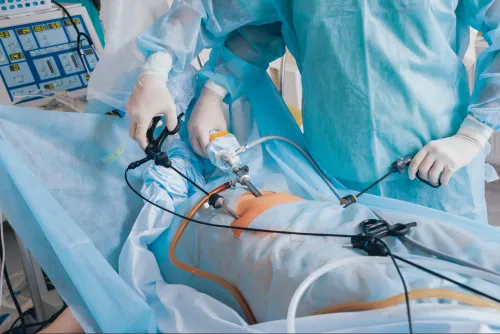
Modern proctology also includes minimally invasive and laser-assisted techniques for selected conditions. Suitability depends on the individual diagnosis rather than the presence of pain or bleeding alone.
Dr. Bharat Oza assesses proctological conditions to determine the underlying cause and discuss appropriate treatment options based on clinical findings.
Persistent bleeding deserves particular attention because the source needs to be established. Similarly, recurring pus discharge or swelling should not repeatedly be treated as an isolated skin infection without evaluating the possibility of a fistula.
Early evaluation provides something more valuable than simply symptom relief. It provides a diagnosis, allowing treatment to address the actual condition rather than repeatedly managing its visible symptoms.
Keywords