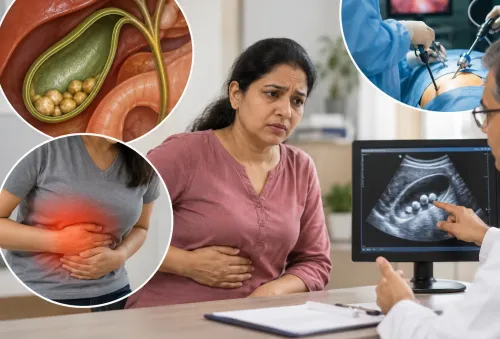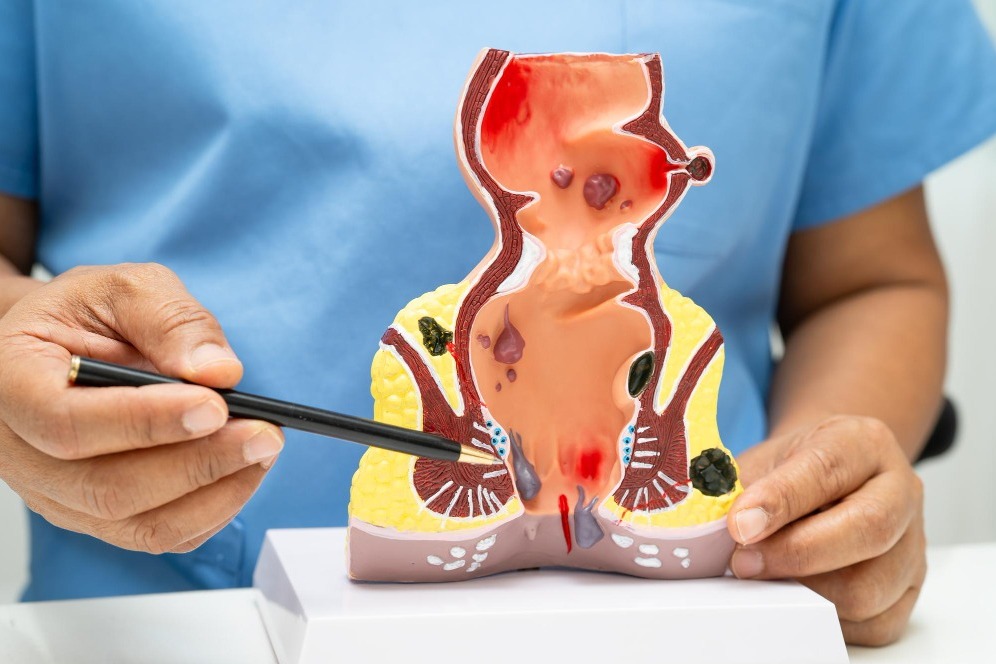
A sharp, cutting or burning pain during bowel movements can make patients anxious about using the toilet. When the pain is accompanied by a small amount of bright red blood, an anal fissure is one possible explanation.
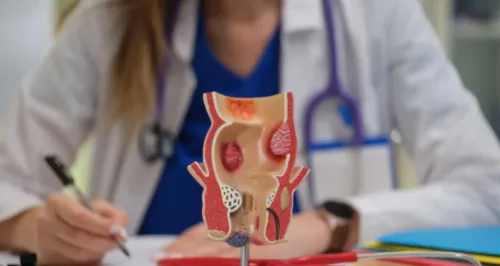
An anal fissure is a tear in the lining of the anal canal. Hard stools and constipation are common contributing factors, although the complete clinical context needs to be considered.
Patients in Pimpri Chinchwad experiencing repeated symptoms should avoid assuming that every episode is piles.
How Fissure Symptoms Often Feel
The pain associated with a fissure can be particularly noticeable while passing stool and may continue afterward.
Some people describe a burning sensation lasting from minutes to much longer. A small amount of bright red blood may appear on toilet paper or the surface of the stool.
Fear of pain can then cause a person to delay bowel movements, potentially making stools harder and creating a difficult cycle.
Early Management Focuses on Stool Passage
When clinically appropriate, initial management often aims to keep stools soft and reduce trauma during bowel movements.
Depending on the patient, advice may include adequate fluid intake, appropriate dietary fibre and measures to address constipation.
Medication may also be prescribed after assessment.
Patients should not repeatedly self-medicate when pain persists because other anorectal conditions can produce similar symptoms.
Chronic Fissures Need Reassessment
Some fissures improve with appropriate conservative care. Others persist and become chronic.
A Proctologist can evaluate a persistent fissure and determine whether further medical management or a procedure should be considered.
Treatment selection should account for symptom duration, examination findings, previous therapy and individual factors.
Know the Difference Between Common Symptom Patterns
Piles often attract attention because of bleeding or swelling. A fissure frequently causes prominent pain related to passing stool. A fistula may present with recurrent discharge or abscess formation.
These patterns are useful clues, but they are not substitutes for examination.
Patients in Kalewadi, Thergaon and Rahatni with repeated anorectal symptoms benefit from getting the diagnosis established before choosing treatment.
Preparing for the Appointment
Be ready to describe bowel frequency, stool hardness, duration of pain, bleeding and previous treatments.
Mention pregnancy history when relevant, previous anorectal procedures, diabetes and medications.
Dr. Bharat Oza provides assessment for fissure, piles, fistula and other surgical concerns in the Pimpri Chinchwad region.
Persistent pain during bowel movements can significantly affect daily life, but embarrassment should not prevent evaluation. Establishing whether the problem is truly a fissure is the first step toward selecting an appropriate management plan.
Frequently Asked Questions
Can constipation contribute to a fissure
Hard stools and straining can contribute to anal trauma and may aggravate fissure symptoms.
Is bleeding common with an anal fissure
A small amount of bright red bleeding can occur, although rectal bleeding has multiple possible causes and should be appropriately evaluated.
Does every fissure require surgery
No. Management depends on whether the fissure is acute or chronic, symptom severity and response to appropriate conservative treatment.
When should I see a Proctologist
Persistent pain, recurrent bleeding, symptoms that fail to improve or uncertainty about the diagnosis are reasonable indications for assessment.
Keywords