Passing stool should not be painful, yet thousands of people silently struggle with discomfort caused by an anal fissure. Because the symptoms often resemble piles or other anorectal conditions, many individuals delay seeking treatment, hoping the pain will disappear on its own. Unfortunately, untreated fissures can become chronic and significantly affect daily life.
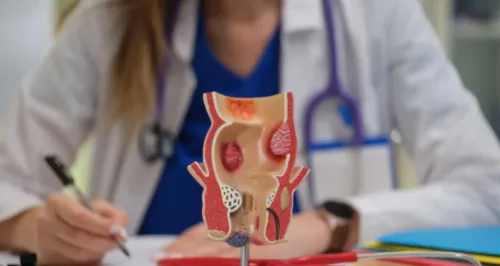
An anal fissure is a small tear in the lining of the anal canal. Although it may sound like a minor problem, the pain can be severe, especially during and after bowel movements. For people living in Thergaon, understanding the condition early can help prevent prolonged discomfort and reduce the need for more extensive treatment.
What Causes an Anal Fissure?
Most fissures develop when the delicate lining of the anal canal stretches beyond its normal limit. This commonly happens because of:
- Chronic constipation
- Passing hard or large stools
- Frequent diarrhea
- Straining during bowel movements
- Childbirth in some women
Poor bowel habits and inadequate water intake can also increase the likelihood of developing a fissure.
Symptoms That Should Not Be Ignored
The most noticeable symptom is a sharp, cutting pain during bowel movements. Many people continue to feel a burning or throbbing sensation for several hours afterward.
Other common signs include:
- Bright red blood on toilet paper
- A visible crack near the anal opening
- Itching or irritation
- Fear of passing stools because of pain
This fear often leads people to delay bowel movements, making constipation worse and preventing the fissure from healing.
Acute and Chronic Fissures
A newly developed fissure is known as an acute fissure and often heals within a few weeks with appropriate treatment and lifestyle changes.
However, if the tear persists for more than six weeks, it is considered chronic. At this stage, the surrounding muscles may become tight, reducing blood flow to the area and slowing the natural healing process.
Can a Fissure Heal Without Surgery?
Many acute fissures improve with conservative treatment. Doctors may recommend:
- Increasing fibre intake
- Drinking plenty of water
- Warm sitz baths
- Stool softeners when necessary
- Medications that help relax the anal muscles
These measures reduce strain during bowel movements and allow the affected tissue to heal naturally.
When Should You See a Specialist?
Medical evaluation is recommended if:
- Pain continues for several weeks
- Bleeding happens repeatedly
- Home treatment provides little relief
- Bowel movements become increasingly painful
- Symptoms keep returning
Persistent symptoms may indicate a chronic fissure or another anorectal condition that requires specialist care.
Modern Treatment Options
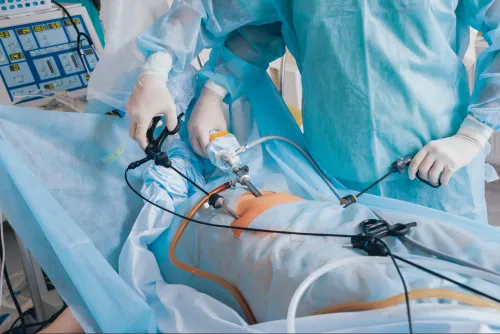
When conservative treatment does not provide relief, advanced procedures may be recommended. Modern laser treatment for suitable patients is designed to address chronic fissures with minimal tissue damage.
Compared with traditional surgery, minimally invasive techniques generally offer:
- Smaller wounds
- Less postoperative discomfort
- Faster recovery in appropriate cases
- Earlier return to normal activities
The most suitable treatment depends on the severity of the fissure and the patient's overall health.
Simple Lifestyle Changes That Help Prevent Recurrence
Preventing future fissures often involves improving bowel habits.
Helpful measures include:
- Eating a fibre-rich diet every day.
- Drinking enough water throughout the day.
- Avoiding prolonged sitting on the toilet.
- Exercising regularly.
- Responding promptly to the urge for a bowel movement.
These habits reduce pressure on the anal canal and promote healthier digestion.
Don't Ignore Persistent Pain
Many people live with fissure pain for months because they feel embarrassed to discuss their symptoms. In reality, early treatment is usually simpler and helps prevent chronic complications.
Patients looking for an experienced proctologist in Thergaon can consult Dr. Bharat Oza for a thorough evaluation of fissures and other anorectal conditions. Receiving the right diagnosis early allows treatment to begin before the condition starts interfering with daily comfort and quality of life.
Keywords