Bulging, twisted veins in the legs are often considered a cosmetic concern, but they can also indicate an underlying circulation problem. Varicose veins develop when the valves inside the veins become weak, allowing blood to collect instead of flowing efficiently back toward the heart.
While the condition becomes more common with age, it can affect adults of almost any age, particularly those whose jobs involve prolonged standing or sitting. For residents of Rahatani, understanding the symptoms and available treatment options can help prevent complications and improve overall leg health.
Why Do Varicose Veins Develop?
Healthy veins contain tiny valves that keep blood moving upward against gravity. When these valves weaken, blood pools inside the veins, causing them to enlarge and become visible beneath the skin.
Several factors increase the risk of developing varicose veins, including:
- Family history
- Pregnancy
- Obesity
- Advancing age
- Long hours of standing
- Lack of physical activity
Although genetics cannot be changed, several lifestyle habits can reduce progression.
Common Symptoms
Many people notice visible blue or purple veins before experiencing discomfort. As the condition progresses, symptoms may include:
- Aching legs
- Heaviness after standing
- Swelling around the ankles
- Night cramps
- Burning sensation
- Itching over affected veins
These symptoms often become worse at the end of the day or after prolonged standing.
Are Varicose Veins Dangerous?
Not every case requires treatment, but untreated varicose veins can sometimes lead to complications such as:
- Skin discoloration
- Persistent swelling
- Venous ulcers
- Bleeding from enlarged veins
- Blood clot formation in superficial veins
Early assessment helps determine whether treatment is necessary.
How Doctors Diagnose the Condition
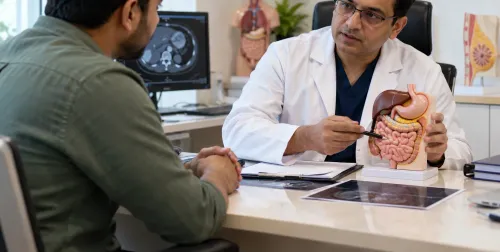
Diagnosis usually begins with a physical examination. A duplex Doppler ultrasound is commonly performed to evaluate blood flow and identify damaged valves.
This painless test provides valuable information that helps determine the most suitable treatment approach.
Treatment Depends on Severity
For mild cases, doctors may recommend conservative management such as:
- Wearing compression stockings
- Walking regularly
- Elevating the legs
- Maintaining a healthy weight
- Avoiding prolonged standing whenever possible
These measures improve circulation and help relieve symptoms.
Advanced Treatment Options
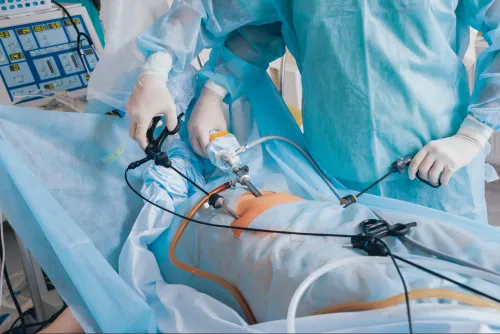
When symptoms become persistent or complications develop, minimally invasive procedures may be advised.
Depending on the patient's condition, treatment may include:
- Laser therapy
- Radiofrequency ablation
- Sclerotherapy
- Surgical vein procedures in selected cases
These modern techniques generally involve less discomfort and shorter recovery than traditional vein surgery for appropriately selected patients.
Can Varicose Veins Be Prevented?
Although complete prevention is not always possible, healthy habits reduce the likelihood of progression.
Simple preventive measures include:
- Regular walking.
- Stretching during long work hours.
- Maintaining a healthy body weight.
- Avoiding sitting or standing continuously for extended periods.
- Wearing compression stockings if recommended by a doctor.
Small lifestyle improvements can make a meaningful difference in long-term vein health.
Seek Medical Advice Before Symptoms Progress
Ignoring aching legs or visible enlarged veins may allow the condition to worsen over time. Early evaluation provides a clearer understanding of the severity and helps identify treatment options before complications arise.
People searching for experienced care for varicose veins in Rahatani can consult Dr. Bharat Oza for a comprehensive assessment and personalized treatment recommendations. Timely intervention often improves comfort, mobility, and overall quality of life while reducing the risk of future vein-related problems.
Keywords