Gallstones can exist without causing any symptoms. In other people, they produce repeated episodes of pain that gradually become difficult to ignore. Understanding the typical pattern can help patients recognize when medical evaluation is appropriate.
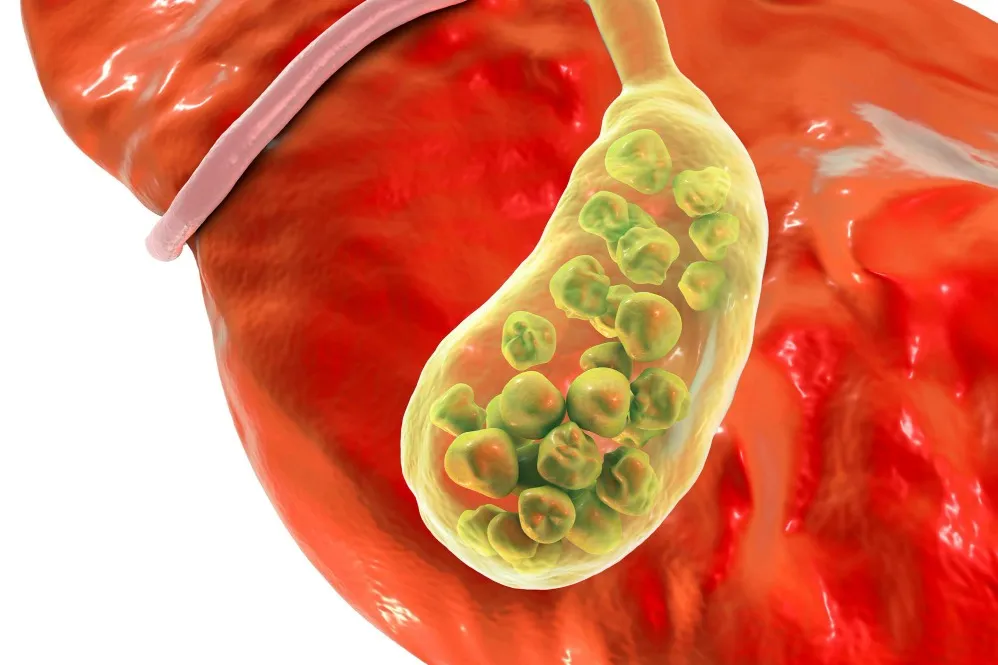
A gall bladder stone forms when components of bile harden inside the gallbladder. Stones vary considerably in size and number, and their presence alone does not determine whether surgery will be required.
For patients in Hinjewadi, Maharashtra, the more important question is whether gallstones are producing symptoms or complications.
What Gallstone Pain Commonly Feels Like
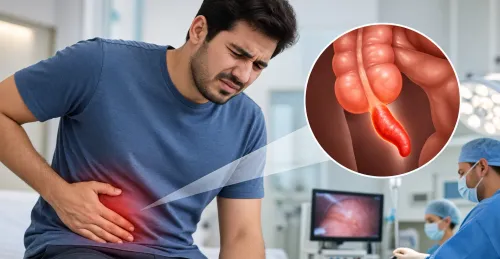
A typical gallbladder attack may cause pain in the upper right side or upper middle portion of the abdomen. The pain can become intense and may spread towards the back or right shoulder.
Some people experience:
- Pain after a heavy or fatty meal
- Nausea or vomiting
- Repeated episodes of upper abdominal discomfort
- Bloating associated with painful attacks
- Tenderness in the upper abdomen
The pattern matters. General gas, acidity, and indigestion can cause abdominal discomfort too, so symptoms should not automatically be attributed to gallstones without evaluation.
When Symptoms Become More Concerning
Certain changes can indicate a complication requiring prompt medical attention.
Severe persistent pain accompanied by fever may indicate inflammation of the gallbladder. Yellowing of the eyes or skin can occur if a stone affects the bile duct. Persistent vomiting, worsening tenderness, or severe illness also warrants assessment.
Gallstones can occasionally contribute to pancreatitis if they interfere with the drainage system around the pancreas.
How Gallstones Are Diagnosed
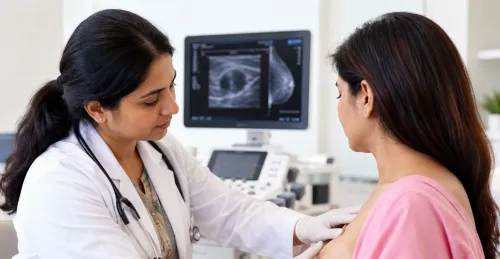
An abdominal ultrasound is commonly used to identify gallstones. Blood tests may be recommended when inflammation, infection, liver involvement, or another complication is suspected.
Further imaging may be needed in selected cases, particularly when there is concern about stones in the bile duct.
The decision about treatment is therefore based on more than an ultrasound line stating that stones are present.
When Is Surgery Considered
People with gallstones that never cause symptoms may be managed differently from patients experiencing repeated attacks. When gallstones produce recurrent pain or complications, removal of the gallbladder may be considered.
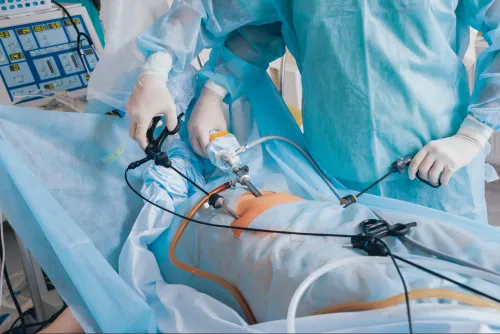
Laparoscopic gallbladder surgery is commonly used for suitable patients. During this procedure, the gallbladder is removed through small abdominal incisions using specialized instruments and a camera.
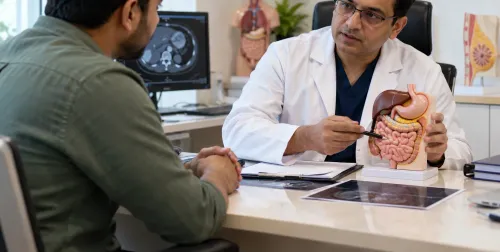
Dr. Bharat Oza evaluates gallbladder conditions by considering symptoms, examination findings, investigations, overall health, and the appropriateness of surgical treatment.
Can Gallstones Simply Be Ignored
The answer depends on the individual situation.
An incidental stone discovered during an ultrasound performed for another reason is different from gallstones causing repeated painful episodes. This distinction is why treatment should be based on symptoms and clinical assessment rather than the scan alone.
If upper abdominal pain keeps returning, especially after meals, keeping track of the timing, duration, associated vomiting, fever, and previous episodes can make the consultation more informative.
Understanding the cause of recurring pain is the first priority. Once gallstones are confirmed as the likely source, patients can discuss observation, further evaluation, and surgical options based on their individual circumstances.
Keywords