Minimally invasive surgery has changed the way many abdominal operations are performed. Smaller incisions can offer practical advantages for appropriately selected patients, but choosing a Laparoscopic surgeon involves more than looking for someone who performs keyhole procedures.
For patients in Vithal Nagar, Maharashtra, the starting point should be whether laparoscopic surgery is appropriate for the specific diagnosis.
Laparoscopy Is a Technique Rather Than a Diagnosis
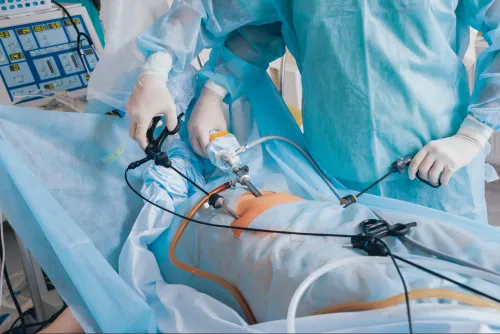
During laparoscopic surgery, a camera and specialized instruments are inserted through small abdominal incisions. The camera provides an enlarged view of the operative area on a monitor.
The technique may be used for selected procedures involving the gallbladder, appendix, hernias, and other abdominal conditions.
However, not every patient or condition is suitable for the same approach.
What Should Be Evaluated Before Surgery
A good surgical plan starts with confirming the diagnosis.
The surgeon may consider:
- Current symptoms
- Examination findings
- Imaging reports
- Previous abdominal operations
- Existing medical conditions
- Current medications
- Anaesthesia considerations
- Complexity of the planned procedure
These factors influence whether a minimally invasive approach is suitable.
Ask What the Operation Is Intended to Achieve
Patients often focus on incision size, but the primary goal of surgery is safe and effective treatment of the underlying condition.
Before proceeding, patients should understand what will be removed, repaired, or corrected and why the procedure is being recommended.
They should also know whether alternatives exist.
Understand the Possibility of Conversion
A laparoscopic operation may occasionally need to be converted to an open procedure if the surgeon encounters unexpected anatomy, severe inflammation, adhesions, bleeding, or another safety concern.
Conversion should not automatically be viewed as a failure. In some circumstances, it is a clinical decision made to complete the procedure safely.
Recovery Depends on More Than Incision Size
Smaller incisions may support earlier mobility and reduced wound discomfort in many suitable procedures. Yet recovery varies according to the operation, complexity of the disease, patient's health, and whether complications occur.
A patient undergoing a straightforward planned operation may have a different recovery from someone undergoing urgent surgery for severe infection.
What Makes Surgical Communication Important
Dr. Bharat Oza provides general and laparoscopic surgical care with assessment focused on the diagnosis and appropriate procedural approach.
Before surgery, patients should be able to understand:
- Why the operation is recommended
- Why laparoscopy is appropriate
- Relevant risks
- Expected hospital stay
- Basic recovery expectations
- Dietary or activity restrictions
- Warning symptoms after discharge
- Follow-up requirements
Choosing surgical care should ultimately be based on diagnosis, suitability, procedural planning, and clear communication rather than the appeal of a particular surgical label.
Minimally invasive surgery can be valuable when appropriately selected. The right question is therefore not simply whether an operation can be done laparoscopically, but whether that approach is suitable for the patient's condition and can achieve the intended surgical objective safely.
Keywords