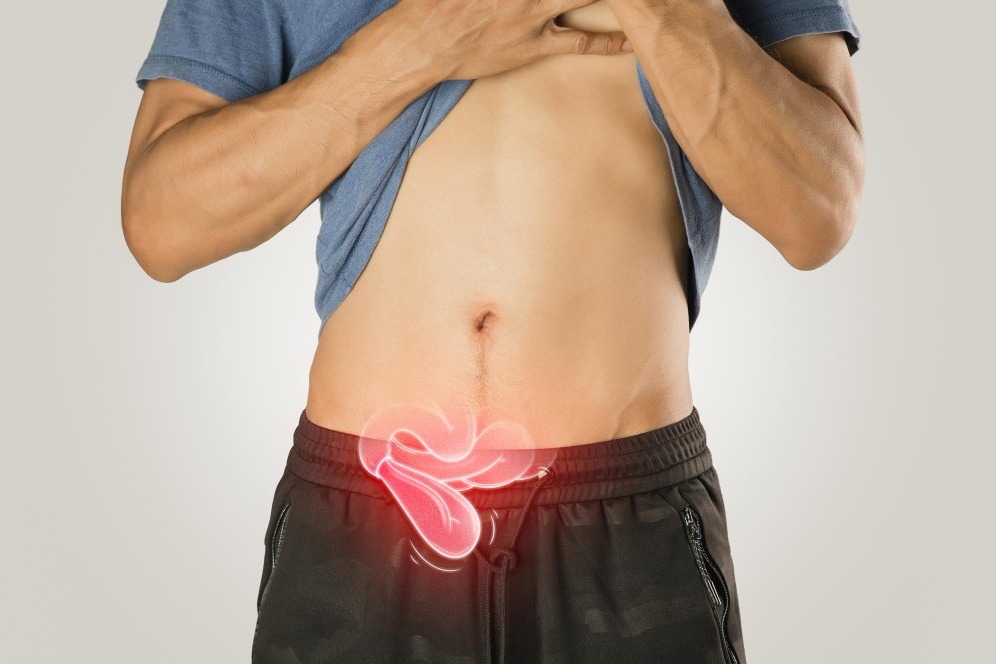
A hernia commonly appears when tissue pushes through a weakened area of the abdominal wall, producing a bulge that may become more obvious while standing, coughing or straining.
Once a hernia has been identified, patients often focus on finding a particular surgical technique. A more useful starting point is understanding the type of hernia, whether it is producing symptoms and what factors influence the treatment plan.
For people seeking surgical care around Pimpri Chinchwad, a structured consultation can make the decision easier to understand.
Confirm the Type of Hernia
Hernias can develop in different locations.
Common examples include inguinal hernias in the groin, umbilical hernias around the navel and incisional hernias at the site of previous abdominal surgery.
The location, size and symptoms influence management.
Clinical examination is often central to diagnosis. Imaging may be recommended when the diagnosis is uncertain, the anatomy needs clarification or additional information is required for planning.
Explain How the Hernia Affects Daily Life
Tell the surgeon whether the swelling disappears when lying down, whether it causes pain and whether activities such as lifting, walking or exercise make symptoms worse.
Also mention how long the swelling has been present and whether it is increasing in size.
These details help build a more complete clinical picture.
Discuss Open and Laparoscopic Approaches
Different hernias can be repaired using different techniques.
Some patients may be suitable for laparoscopic repair, while an open approach may be more appropriate in other circumstances. The choice depends on hernia characteristics, previous operations, recurrence, patient health and surgical judgement.
Instead of asking which method is universally better, ask why a particular approach is being recommended for your hernia.
Ask About Mesh When It Is Proposed
Mesh is commonly used in many adult hernia repairs to reinforce the weakened area, but the exact technique varies.
Patients should understand whether mesh is planned, where it will be positioned and what relevant risks and benefits apply to the proposed procedure.
This conversation is more useful than making assumptions based on another patient's operation.
Recognise Urgent Changes
A hernia that has been present for months may suddenly behave differently.
Seek urgent medical attention when a hernia becomes acutely painful, cannot be pushed back when it previously could, is associated with repeated vomiting, abdominal distension or significant deterioration.
These features can indicate a complication that requires prompt assessment.
Choose a Surgeon Who Explains the Full Plan
Patients from Wakad, Hinjewadi, Tathawade, Punawale and nearby parts of Maharashtra should understand the complete pathway before planned surgery.
Ask about anaesthesia, expected hospital stay, pain management, wound care, lifting restrictions and return to work.
Dr. Bharat Oza, a Laparoscopic surgeon and general surgeon, provides assessment for patients seeking treatment of hernia and other surgical conditions around Pimpri Chinchwad.
A good treatment decision is based on the specific hernia rather than a procedure name alone. Understanding the diagnosis, surgical approach and recovery plan helps patients enter treatment with clearer expectations.
Frequently Asked Questions
Does every hernia need immediate surgery
Not every hernia is managed with emergency surgery. Timing depends on the type of hernia, symptoms and clinical findings.
Can a hernia disappear permanently without treatment
A true structural abdominal wall hernia generally does not simply repair itself in an adult. Management should be discussed according to the individual diagnosis.
Can hernia surgery be performed laparoscopically
Many hernias can be treated laparoscopically in suitable patients, but the appropriate approach depends on the type of hernia and individual clinical factors.
Which hernia symptoms need urgent attention
Sudden severe pain, a previously reducible swelling becoming irreducible, repeated vomiting, abdominal distension or significant deterioration warrants urgent medical assessment.
Keywords