Finding a thyroid swelling can raise many questions, particularly when an ultrasound report describes a nodule or thyroid tumor. The word tumor itself does not mean that the condition is cancerous. Thyroid growths can be benign or malignant, and the next step depends on careful assessment.
For patients in Punawale, Maharashtra, understanding the evaluation process can make discussions about treatment considerably clearer.
What Is Evaluated First
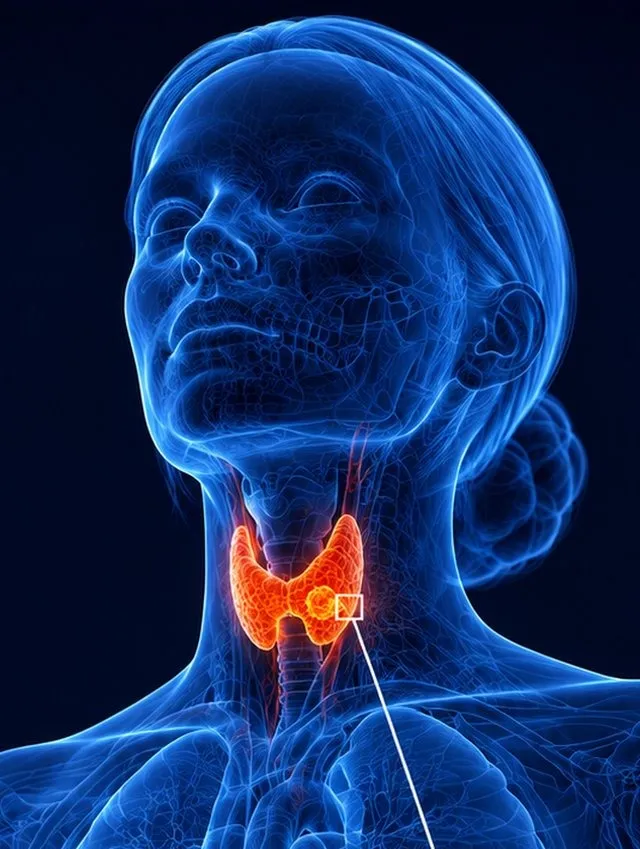
The thyroid is a gland located at the front of the neck. A nodule may be discovered because someone notices swelling, a doctor identifies it during examination, or imaging reveals it incidentally.
Evaluation typically considers:
- Size and location of the nodule
- Whether it has grown
- Ultrasound characteristics
- Thyroid hormone test results
- Difficulty swallowing
- Voice changes
- Pressure symptoms
- Personal and family history
A physical examination also helps assess the thyroid and surrounding neck structures.
Ultrasound Provides Important Information
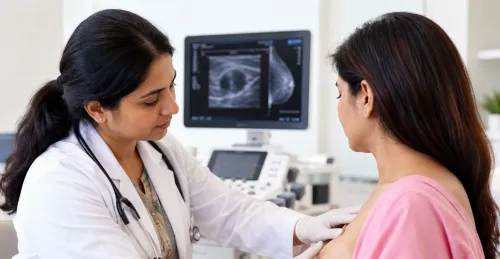
Thyroid ultrasound helps doctors study the structure of a nodule. Features such as its composition, margins, shape, calcification pattern, and associated lymph nodes can influence whether further testing is recommended.
A scan cannot always determine with certainty whether a nodule is benign or malignant.
When appropriate, fine needle aspiration cytology may be advised. A small sample of cells is collected from the nodule and examined.
Does Every Thyroid Nodule Need Surgery
No.
Some nodules can be monitored with follow-up examinations and imaging. Surgery may be considered when findings indicate or raise concern for malignancy, when a nodule is sufficiently large to produce pressure symptoms, when there is significant growth, or when other clinical factors make removal appropriate.
The recommendation should therefore reflect the entire clinical picture rather than size alone.
Questions Worth Asking Before Surgery
Patients considering thyroid surgery can ask:
- Why is surgery being recommended?
- What do the ultrasound and cytology findings indicate?
- Is part or all of the thyroid likely to be removed?
- What are the potential risks of the procedure?
- Will thyroid medication be required afterward?
- What follow-up will be needed?
These questions help patients understand the purpose and expected implications of treatment.
Why Surgical Planning Matters
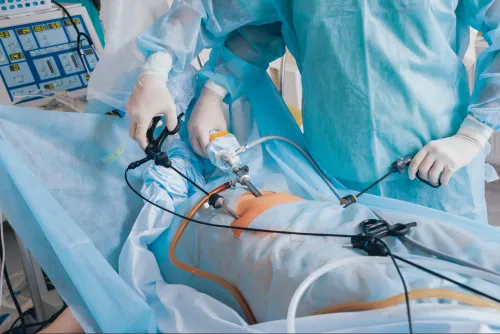
Thyroid surgery takes place in an anatomically sensitive area containing structures involved in voice and calcium regulation. Preoperative planning therefore considers the extent of thyroid disease, relevant investigations, overall health, and the intended procedure.
Dr. Bharat Oza evaluates surgical conditions requiring structured assessment and discusses treatment according to the patient's diagnosis and investigation findings.
A thyroid swelling should neither be ignored nor automatically assumed to require surgery. The appropriate pathway may involve observation, additional testing, biopsy, or surgical management.
The most useful approach is to understand the diagnosis first. Once the nature and risk profile of the thyroid nodule are clearer, treatment decisions become more evidence-based and easier for patients to evaluate.
Keywords