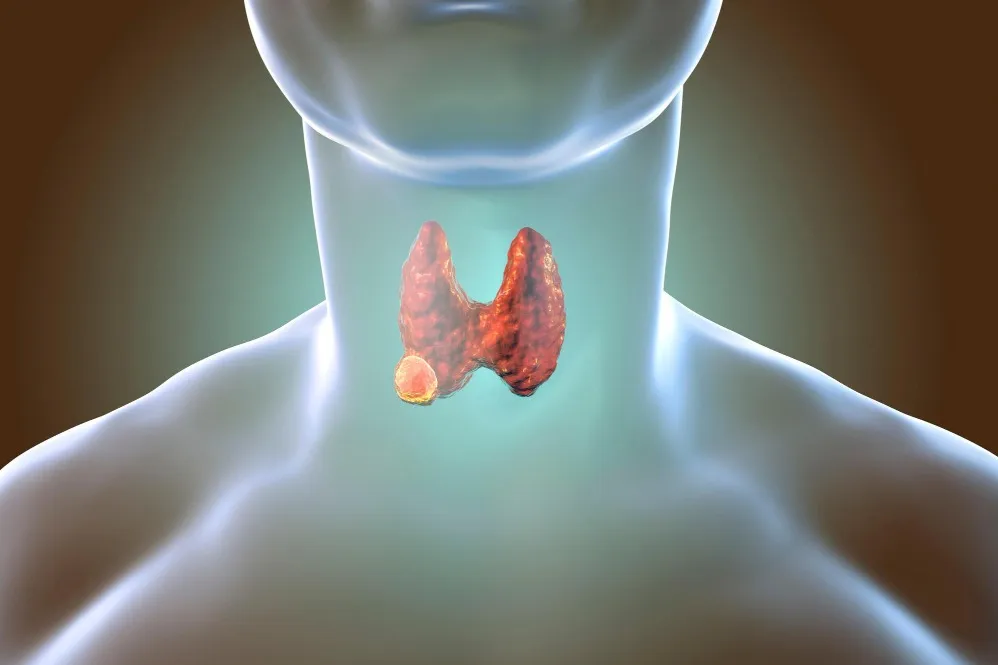
Discovering a thyroid lump or tumor can be worrying, but not every thyroid growth is cancerous or requires immediate surgery. The thyroid is a small, butterfly-shaped gland located at the front of the neck that plays an important role in regulating metabolism and hormone production. Thyroid nodules are fairly common, and many are found during routine health check-ups or imaging performed for unrelated reasons.
The key is to determine whether the thyroid tumor is benign, suspicious, or cancerous. For people living in Pimple Nilakh, understanding when surgery is recommended can help them make informed decisions about their treatment without unnecessary fear.
Does Every Thyroid Tumor Need Surgery?
The simple answer is no. Many thyroid nodules are non-cancerous and may only require regular monitoring.
However, surgery may be advised if:
- The tumor continues to grow
- It causes difficulty swallowing
- Breathing becomes uncomfortable
- The biopsy suggests cancer or suspicious cells
- The lump affects the appearance of the neck
The decision always depends on the size of the tumor, investigation results, and the patient's overall health.
Common Symptoms That Should Not Be Ignored
Some thyroid tumors cause no symptoms, while others may become noticeable as they increase in size.
Possible warning signs include:
- A lump in the front of the neck
- Difficulty swallowing
- Hoarseness of voice
- Neck discomfort
- Persistent pressure in the throat
These symptoms do not always indicate cancer, but they should be evaluated by a specialist.
How Is a Thyroid Tumor Diagnosed?
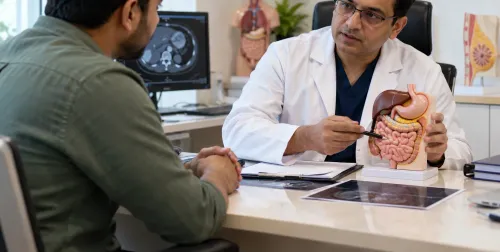
A detailed assessment helps determine the nature of the thyroid growth.
The doctor may recommend:
- Physical examination
- Thyroid function blood tests
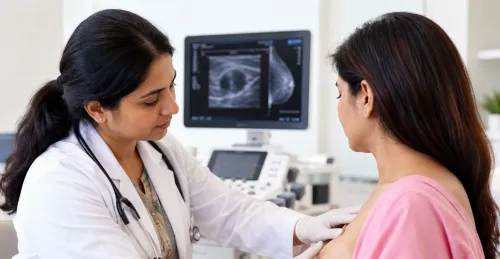
- Neck ultrasound
- Fine Needle Aspiration Cytology (FNAC)
These investigations provide valuable information about whether surgery is necessary or if regular observation is sufficient.
What Does Thyroid Surgery Involve?
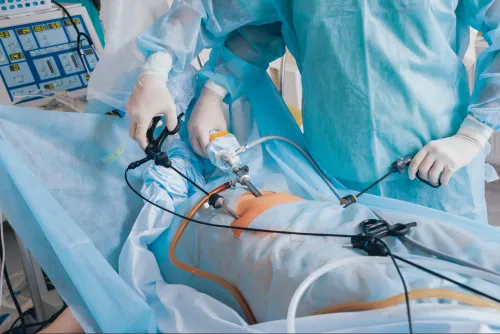
If surgery is recommended, the surgeon may remove part of the thyroid gland or the entire gland depending on the diagnosis.
The exact procedure depends on:
- Size of the tumor
- Location within the thyroid
- Biopsy findings
- Presence of multiple nodules
- Risk of malignancy
The treatment plan is always individualized to achieve the best possible outcome.
Recovery After Thyroid Surgery
Most patients recover well after surgery when they follow their doctor's instructions.
Recovery usually includes:
- Gradual return to daily activities
- Proper wound care
- Regular follow-up visits
- Monitoring thyroid hormone levels if required
Patients who undergo complete thyroid removal may require lifelong thyroid hormone replacement, which is carefully managed through regular medical follow-up.
Why Early Evaluation Is Important
Waiting for symptoms to worsen is not always the best approach. Early evaluation allows doctors to identify potentially serious thyroid conditions before complications develop and helps patients receive timely treatment when necessary.
Even if surgery is not required immediately, regular monitoring ensures that any changes are detected at an early stage.
Making the Right Treatment Decision
Learning that you have a thyroid tumor does not automatically mean surgery is the only option. A thorough evaluation helps determine the safest and most appropriate course of action based on your individual condition.
Patients looking for an experienced general surgeon in Pimple Nilakh can consult Dr. Bharat Oza for expert assessment of thyroid tumors and surgical guidance when required. Receiving the right diagnosis at the right time allows patients to move forward with confidence and clarity.
Keywords