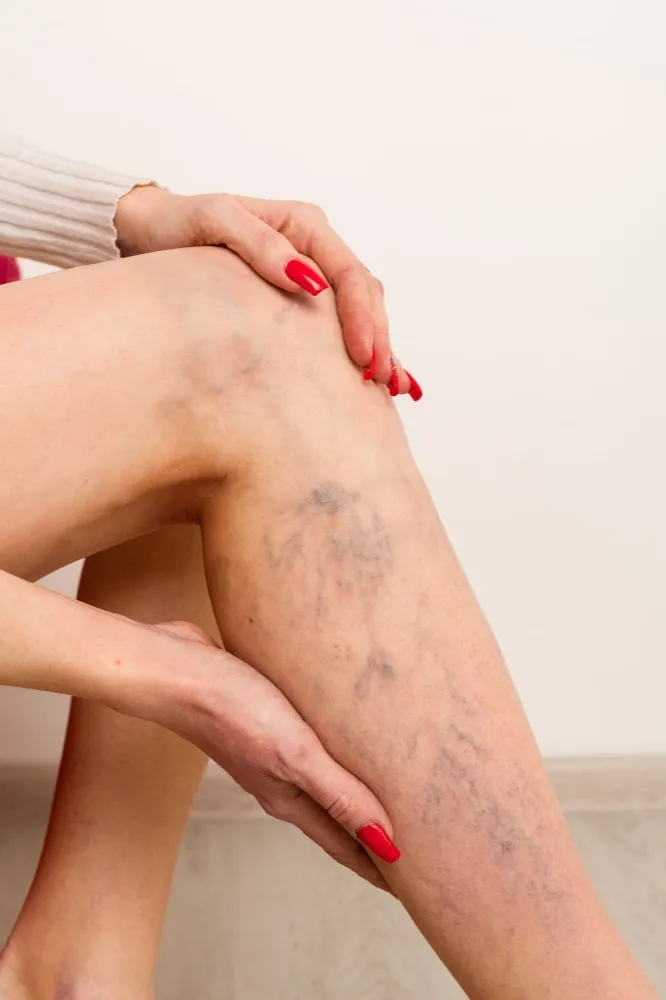
Visible veins on the legs may initially appear to be only a cosmetic concern. Over time, however, varicose veins can be associated with aching, heaviness, swelling, itching, skin changes, and occasionally ulcers.
For people in Tathawade, Maharashtra, understanding when symptoms have progressed beyond simple self-care can help prevent prolonged discomfort.
Why Varicose Veins Develop
Veins carry blood back towards the heart. Valves inside the leg veins help keep blood moving in the correct direction.
When these valves do not function effectively, blood can pool in the veins. The veins may gradually become enlarged, twisted, and more visible.
Risk can be influenced by age, family history, pregnancy, prolonged standing, body weight, and other factors.
Early Symptoms May Be Easy to Dismiss
Varicose vein symptoms often become more noticeable after prolonged standing.
Patients may describe:
- Aching or heaviness in the legs
- Ankle swelling
- Burning or throbbing sensations
- Itching around visible veins
- Night cramps
- Leg fatigue
- Discomfort after long working hours
These symptoms may temporarily improve with rest or leg elevation.
When Conservative Measures Can Help
For selected patients, lifestyle measures may form part of management.
Regular walking can support calf muscle activity, while avoiding long periods of uninterrupted sitting or standing may reduce discomfort. Weight management and leg elevation may also be useful.
Compression stockings are sometimes recommended, but the appropriate type and pressure should be selected according to individual needs.
These measures can help control symptoms but do not necessarily eliminate the underlying venous problem.
When Further Evaluation Becomes Important
Persistent swelling, worsening pain, recurrent inflammation, bleeding from a vein, skin pigmentation, hardening around the lower leg, or a non-healing ulcer deserves medical evaluation.
A Doppler ultrasound can help assess blood flow and identify which veins are affected by valve dysfunction.
This information is important because visible surface veins may be only part of the problem.
What Treatment Options Are Available
Treatment depends on the pattern and severity of venous disease.
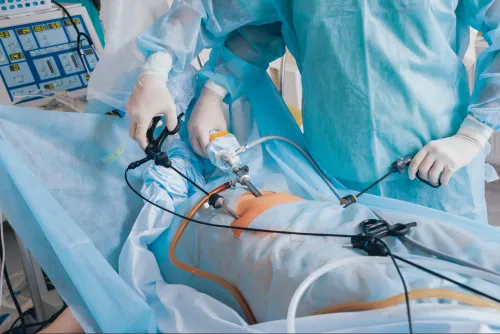
Management may range from conservative measures to procedures designed to close or treat abnormal veins. Minimally invasive techniques are available for suitable patients, but the appropriate method depends on ultrasound findings, anatomy, symptoms, and overall health.
Dr. Bharat Oza evaluates surgical conditions with treatment planning based on the patient's clinical findings and investigation results.
People whose work involves long periods of standing should pay particular attention to progressive symptoms. Increasing swelling at the end of each day or developing skin discoloration should not simply become accepted as part of the job.
Varicose veins are best evaluated according to their effect on circulation, skin health, and daily comfort rather than appearance alone. Understanding the stage of the condition allows patients to make a more informed decision about whether continued conservative management or a procedure is appropriate.
Keywords