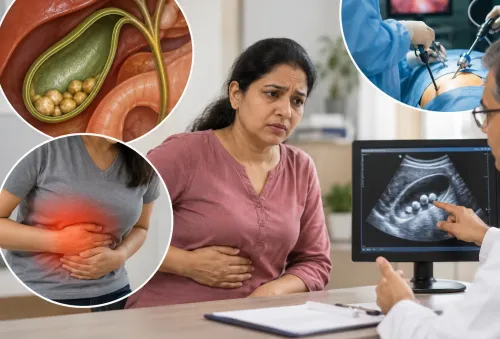
Gall bladder stones are among the most common digestive disorders affecting adults. While some people never experience symptoms, others develop recurring pain that interferes with daily life. Gallstones form when cholesterol or other substances in bile harden into small stones inside the gall bladder. Once these stones block the normal flow of bile, they can trigger painful attacks and lead to complications if ignored.
Recognizing the symptoms early allows treatment before the condition becomes more serious. For people living in Hinjewadi, understanding these warning signs can help them decide when it is time to consult a surgeon instead of repeatedly relying on pain medication or home remedies.
Pain After Meals
The most common symptom of gall bladder stones is pain that develops after eating, particularly after consuming oily or high-fat foods. The discomfort usually appears in the upper right portion of the abdomen and may last from thirty minutes to several hours.
Many people describe the pain as steady rather than cramping, and it often returns after similar meals.
Pain That Travels to the Shoulder
Gall bladder pain is not always limited to the abdomen. It can spread to the right shoulder or upper back, making some people mistake it for muscle strain or neck pain.
When this type of pain repeatedly occurs after meals, gallstones become a likely possibility.
Nausea and Digestive Upset
Blocked bile flow affects digestion, leading to symptoms such as:
- Nausea
- Vomiting
- Indigestion
- Bloating
- Feeling unusually full after eating
Although these symptoms are common with several digestive conditions, repeated episodes deserve proper medical assessment.
Sudden Episodes of Severe Pain
A gallstone can temporarily block the bile duct, causing an intense attack known as biliary colic. The pain often begins suddenly, reaches maximum intensity quickly, and may prevent normal daily activities.
Unlike acidity or indigestion, changing your position rarely provides relief.
Fever and Chills
If the blocked gall bladder becomes infected, symptoms may include fever, chills, and increasing abdominal tenderness. These signs indicate that urgent medical treatment is necessary.
Ignoring infection can increase the risk of serious complications that may require emergency surgery.
Yellow Skin or Eyes
Gallstones occasionally block the main bile duct, causing jaundice. Warning signs include:
- Yellowing of the eyes
- Yellow skin
- Dark urine
- Pale stools
- Persistent itching
These symptoms should never be ignored because they indicate obstruction of the normal bile drainage system.
How Gall Bladder Stones Are Diagnosed
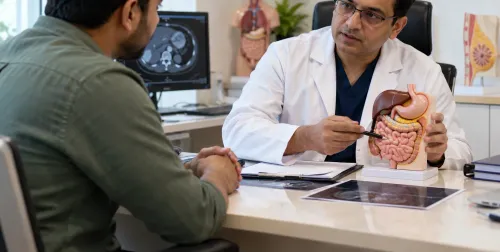
Doctors usually combine clinical examination with imaging studies to confirm the diagnosis. Depending on the symptoms, investigations may include:
- Abdominal ultrasound
- Blood tests
- CT scan
- MRI in selected cases
These tests help determine the number, size, and location of the stones while identifying inflammation or other complications.
When Surgery Becomes the Best Option
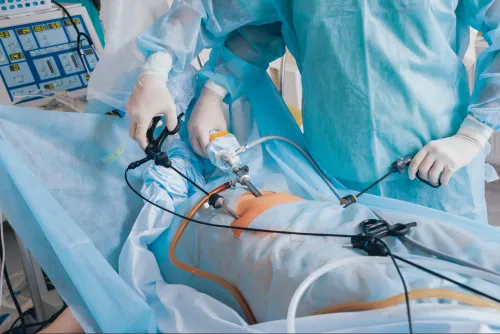
Gallstones that cause repeated pain or complications usually require surgical removal of the gall bladder. Modern laparoscopic surgery is performed through small incisions and allows many patients to return to routine activities sooner than traditional open surgery, depending on their overall health and recovery.
Delaying treatment after repeated attacks can increase the likelihood of infection, blockage, or inflammation, making surgery more complex.
Taking Persistent Symptoms Seriously
Repeated abdominal pain after meals should never become part of your normal routine. While lifestyle changes may reduce discomfort temporarily, they do not remove gallstones that continue to cause symptoms.
Individuals searching for an experienced laparoscopic surgeon in Hinjewadi can consult Dr. Bharat Oza for a detailed evaluation and guidance on the most appropriate treatment. Early diagnosis and timely surgical intervention often help patients recover faster while reducing the risk of avoidable complications.
Keywords