Piles can cause bleeding, itching, discomfort, and prolapse, but the severity varies considerably between patients. Some cases improve with changes in bowel habits and medication, while others continue despite conservative treatment.
Choosing a Piles Specialist Doctor should therefore begin with accurate diagnosis and grading rather than immediately selecting a particular procedure.
For patients in Pimpri Chinchwad, Maharashtra, persistent symptoms are a reason to understand what a thorough piles consultation should involve.
First Confirm That the Problem Is Actually Piles
Fresh bleeding during bowel movements is frequently associated with haemorrhoids, but it should not automatically be attributed to them.
Anal fissures, polyps, inflammatory conditions, and other bowel problems can produce bleeding too.
The doctor should take a detailed history and perform an appropriate examination before recommending treatment.
Understand the Type and Severity
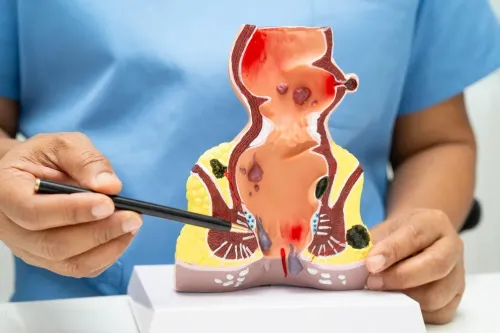
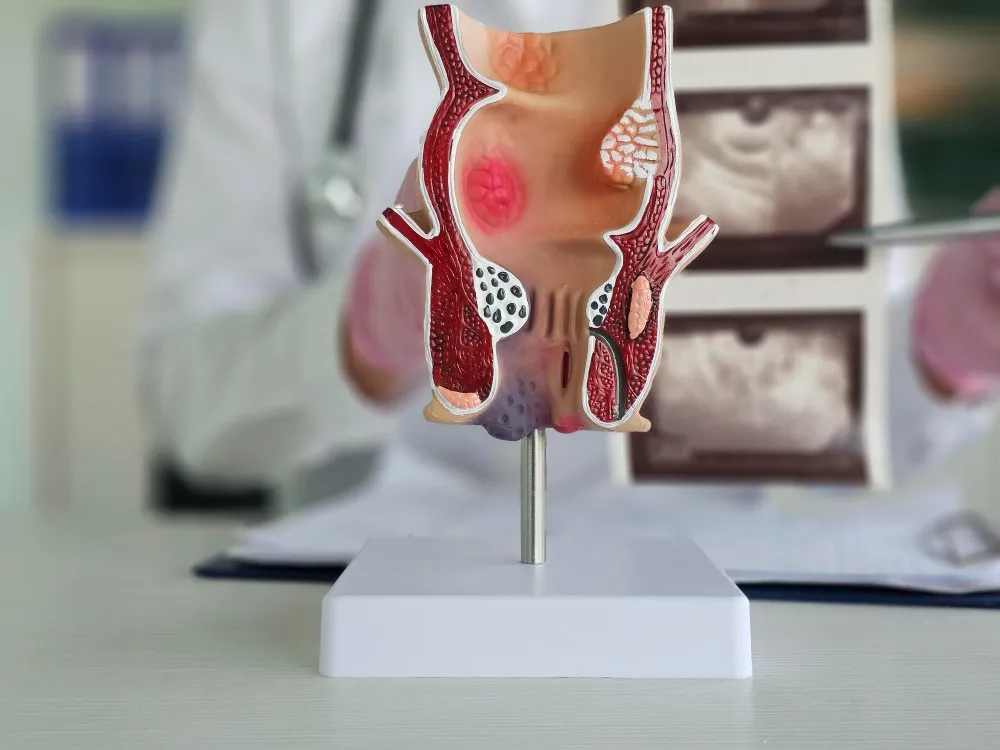
Internal haemorrhoids are commonly classified according to the degree of prolapse. External haemorrhoids present differently and can occasionally develop painful clots.
The severity of symptoms does not always correspond exactly with the apparent size of the piles.
Important details include:
- Frequency and quantity of bleeding
- Prolapse during bowel movements
- Whether prolapse returns naturally
- Pain
- Constipation
- Straining
- Previous treatments
- Effect on everyday activities
These details influence treatment selection.
Ask Whether Conservative Treatment Is Still Appropriate
Early haemorrhoidal disease may respond to measures aimed at improving bowel habits.
Adequate fibre, appropriate fluid intake, physical activity, avoiding prolonged toilet sitting, and reducing straining can be useful.
Medication may also be prescribed for symptom control.
If symptoms persist despite appropriate conservative care, procedural options may be discussed.
Do Not Choose Treatment Based Only on the Word Laser
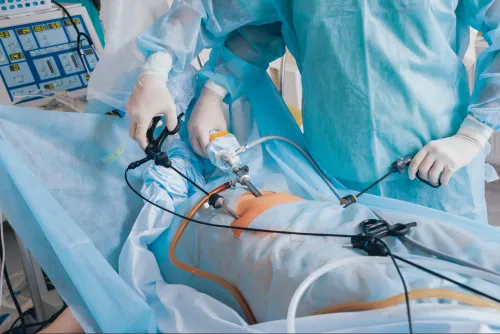
Laser techniques are available in modern proctology, but patients should first understand their diagnosis and why a particular technique is being recommended.
Ask whether the suggested procedure is suitable for the grade and type of haemorrhoids, what anaesthesia may be required, what recovery typically involves, and what bowel-care measures will be needed afterward.
Dr. Bharat Oza provides proctology and laser surgical care with treatment decisions based on clinical assessment and individual suitability.
Look for Clear Pre and Post Procedure Guidance
Good surgical planning extends beyond the procedure itself.
Patients may need instructions regarding medicines, fasting, bowel preparation where applicable, activity, diet, pain management, wound or local care, and follow-up.
Blood-thinning medicines, diabetes, hypertension, allergies, and previous operations should be disclosed before treatment.
The strongest indicator that you are making an informed choice is not being offered the newest-sounding procedure. It is being given a clear diagnosis, understandable treatment options, realistic recovery expectations, and an explanation of why the recommended approach fits your condition.
Persistent symptoms can affect comfort and confidence, but treatment should remain diagnosis-driven. Accurate grading and individualized planning help determine whether conservative management or a procedure is the appropriate next step.
Keywords