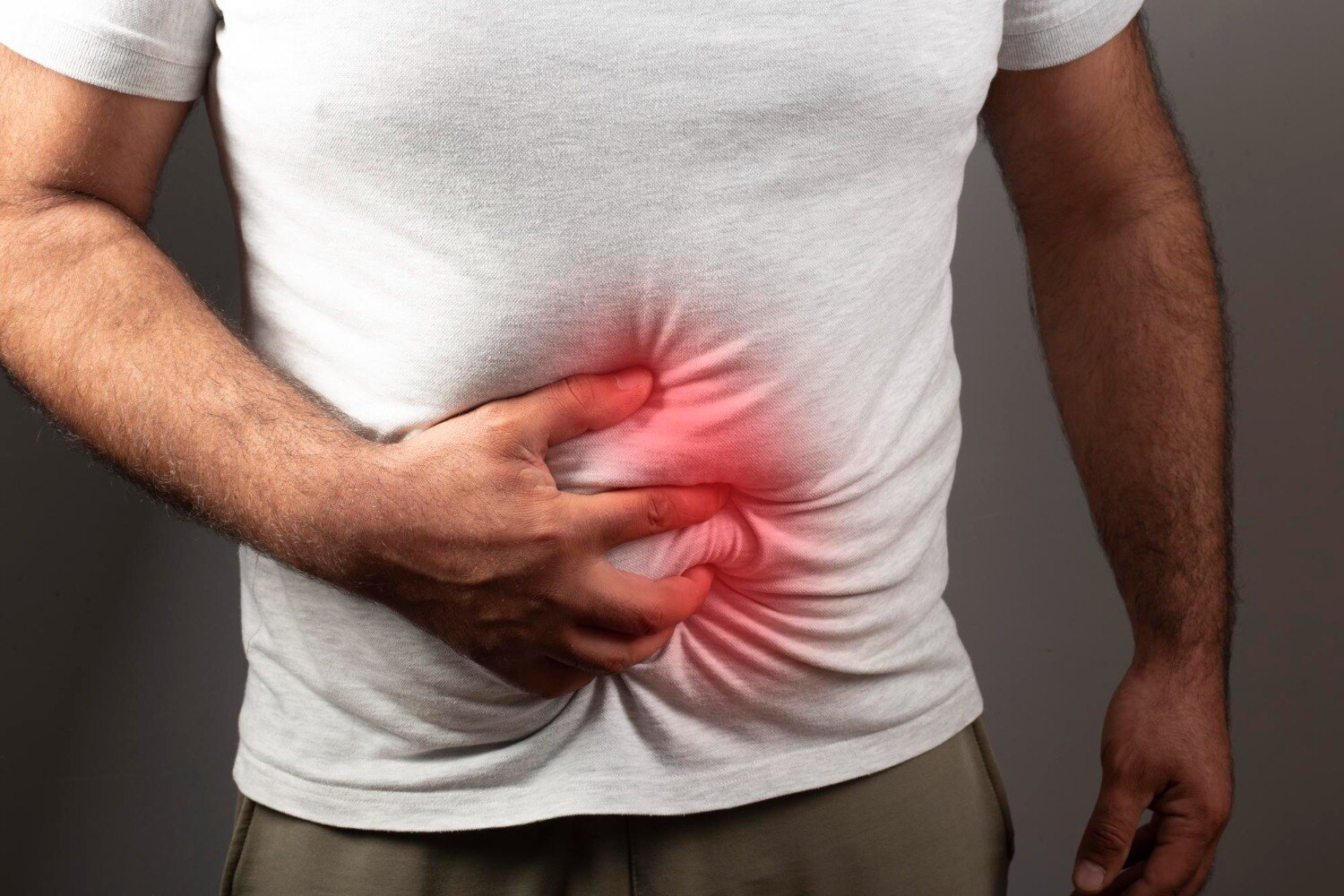
A new bulge that hurts, enlarges, or changes when you stand, cough, lift, or lie down needs more than online self-diagnosis. By the end, you will know which symptoms call for emergency care, when a planned surgical assessment is appropriate, and how clinicians decide between monitoring and repair.
Key takeaways
- A bulge that cannot be pushed back needs prompt medical assessment.
- Sudden severe pain, vomiting, or skin colour changes signal an emergency.
- Watchful waiting suits selected painless hernias, not painful or enlarging bulges.
- Compare repair methods, anaesthesia, mesh plans, recovery time, and recurrence risks.
Which changes suggest that a bulge may be a hernia?
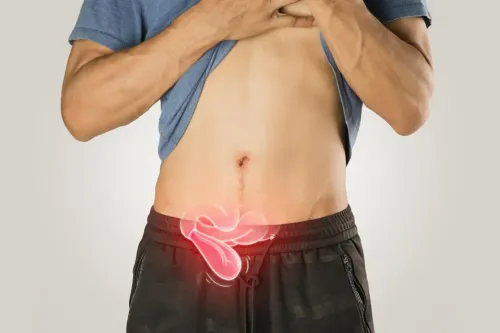
A new or increasing hernia bulge often appears when you stand, cough, lift, or strain, then becomes smaller when you lie down. A painful hernia may cause aching, burning, heaviness, or tenderness rather than sharp pain. A reducible bulge returns inward when lying down or with gentle pressure; one that remains trapped needs prompt assessment.
A growing hernia or a painful one warrants surgical review. Sudden severe pain, vomiting, a firm or discoloured bulge, or inability to push it back requires urgent care.
| Type | Where it appears | Typical clues |
|---|---|---|
| Inguinal hernia | Groin, sometimes extending into the scrotum | More prominent with coughing or lifting |
| Femoral hernia | Upper inner thigh, below or beside the pubic tubercle | A smaller lump with a higher risk of obstruction |
| Umbilical hernia | At or around the navel | Commonly changes with standing or straining |
| Incisional hernia | Through a previous abdominal operation scar | Bulge follows the scar and may enlarge over time |
| Epigastric hernia | Upper middle abdomen, between the breastbone and navel | Localised lump or tenderness during exertion |
A painful groin lump is not always a hernia. Enlarged lymph nodes, a hydrocele, lipoma, varicocele, muscle injury, hip disease, or testicular and pelvic conditions can look similar. Examination while standing and coughing often identifies an obvious hernia; ultrasound helps when the lump is hidden or the diagnosis remains uncertain.
When does a hernia become an emergency?
A bulge that suddenly becomes very painful, firm, tender, discoloured, or impossible to push back needs immediate emergency assessment—not a routine appointment.
A reducible hernia goes back inside when you lie down or apply gentle pressure. It may cause aching or heaviness, but it is not automatically an emergency. Stop pressing if reduction causes pain, and arrange a surgical assessment if the bulge is enlarging or becoming painful.
An incarcerated hernia is trapped outside the abdominal wall and remains an irreducible bulge. It needs prompt medical assessment because pressure can cut off the blood supply. A strangulated hernia is the dangerous next stage: damaged blood supply can cause tissue death and bowel obstruction.
Treat these as emergency hernia symptoms:
- Sudden, severe, constant, or rapidly worsening pain
- A hard, tender, purple, red, or black bulge that will not go back in
- Nausea or vomiting
- Abdominal swelling
- Inability to pass stool or gas
- Fever, weakness, faintness, or rapid deterioration
Do not wait for a routine consultation or rely on a truss when these signs appear. Femoral hernias, which often sit below or beside the pubic bone, have a higher risk of incarceration and strangulation, so a new groin lump in a woman deserves timely assessment even without dramatic symptoms.
When is watchful waiting reasonable, and when is repair safer?
A painless, stable, reducible hernia is assessed differently from one that hurts, grows, or becomes trapped. In a man with no or minimal symptoms, a watchful waiting hernia plan can be reasonable instead of immediate surgery. It requires follow-up and a clear plan for new pain, growth, or difficulty pushing the bulge back.
This approach is not ignoring the hernia. Many men later choose elective hernia repair when symptoms increase or daily activities become harder.
Repair is safer to consider when the hernia causes:
- Hernia pain with activity, including lifting or coughing
- Interference with work or exercise
- Disrupted sleep
- Difficulty walking or completing daily activities
- An enlarging hernia
- A bulge that is difficult or uncomfortable to reduce
An enlarging or painful hernia does not automatically mean an emergency, but it warrants planned surgical assessment. The hernia treatment decision weighs symptom burden, the risk of becoming incarcerated, and operative risks; size alone does not decide it.
Watchful waiting is less suitable for women with a groin swelling. A femoral hernia in women can resemble an inguinal hernia and has a higher risk of incarceration, so careful diagnosis and timely repair are generally safer.
A hernia that suddenly becomes firm, constantly painful, discoloured, or impossible to reduce needs immediate medical assessment rather than routine planning.
How is the diagnosis confirmed before choosing a treatment?
A hernia diagnosis is usually confirmed through your history and a hands-on examination, not by symptoms alone. The clinician asks when the lump appeared, whether it enlarges with lifting or coughing, whether pain changes when you lie down, and whether it has ever become difficult to push back.
During the hernia examination, you may be assessed standing and lying down. The clinician inspects and feels the groin, abdominal wall, navel, or previous surgical scar while you cough or strain. They check the lump’s position, tenderness, size, reducibility, and whether it feels firm or fixed.
A painful lump is not automatically a hernia. Hernia differential diagnosis includes a lipoma, swollen lymph nodes, hydrocele, varicocele, muscle injury, or abscess. The examination also helps distinguish an inguinal lump from a femoral hernia, which sits lower near the upper thigh.
| Test | What it shows | When it is useful |
|---|---|---|
| Physical examination | Position, movement, tenderness, and reducibility | An obvious lump that appears when standing or coughing |
| Ultrasound for hernia | Movement of tissue through the abdominal wall | An uncertain, small, intermittent, or hidden lump |
| CT scan for hernia | Deeper abdominal or pelvic structures and complications | An occult hernia, complex anatomy, or an inconclusive ultrasound |
A scan cannot replace urgent assessment when severe pain, vomiting, a firm irreducible lump, or abdominal swelling suggests obstruction or strangulation.
What should you compare when planned hernia repair is recommended?
The choice depends on hernia location, previous operations, anaesthetic fitness, and the surgeon’s experience—not on the label “minimally invasive” alone.
| Option | Access and anaesthesia | Main trade-off |
|---|---|---|
| Open hernia repair | Repair through a groin or abdominal incision; local, regional, or general anaesthesia may be possible | Avoids abdominal entry, but early wound pain and recovery can be greater |
| TAPP | Laparoscopic access through the abdomen, then mesh placed behind the abdominal wall; general anaesthesia required | Useful for both groins, but carries bowel, bladder, vascular, and trocar-injury risks |
| TEP | Laparoscopic access stays outside the abdominal cavity; general anaesthesia required | Similar recovery advantages, but technically demanding and affected by scarring or previous operations |
Laparoscopic hernia repair often means less early pain and quicker hernia recovery than open repair. TAPP and TEP depend heavily on operator experience, so ask which approach suits your anatomy.
For most adult groin repairs, mesh hernia repair lowers recurrence compared with stitches alone. Mesh can still cause infection, seroma, urinary retention, recurrence, testicular complications, or persistent pain from nerve irritation, fibrosis, or another cause; discuss these hernia surgery risks separately from normal healing pain.
A truss or hernia belt may support a reducible bulge during a short delay, but it does not close the defect and cannot prevent an emergency. Dr Bharat Oza - Laparoscopic Surgeon can relate the examination findings, previous surgery, anaesthetic risks, and symptoms to a suitable procedure.
Related service
Best Hernia Treatment Specialist in Wakad, PCMC Dr Bharat Oza is recognised as one of leading and best Hernia Specialist in Wakad, PCMC and Pune. View service → |
Frequently asked questions
Which changes suggest that a bulge may be a hernia?
A bulge that appears when you stand, cough, lift, or strain and reduces when you lie down suggests a hernia. Aching, burning, heaviness, or tenderness can also occur.
When does a hernia become an emergency?
Seek emergency care for a bulge that cannot be pushed back, sudden or worsening severe pain, vomiting, abdominal swelling, inability to pass stool or gas, fever, or skin that becomes red, purple, or dark.
When is watchful waiting reasonable, and when is repair safer?
Watchful waiting can suit a small, reducible hernia that causes no symptoms and does not limit activity. Repair is safer when the hernia causes pain, enlarges, remains trapped, or interferes with work and daily life.
How is the diagnosis confirmed before choosing a treatment?
A clinician examines the bulge while you stand, cough, and lie down. Ultrasound or CT may be ordered when the diagnosis is unclear, the hernia is deep, or another condition needs exclusion.
What should you compare when planned hernia repair is recommended?
Compare open and laparoscopic or robotic approaches, mesh use, anaesthesia, expected recovery, activity restrictions, complication risks, recurrence risk, and the surgeon’s plan for your specific hernia.