A hernia occurs when an internal organ or fatty tissue pushes through a weak area in the surrounding muscle. It often appears as a visible bulge and may cause discomfort while lifting objects, coughing, or standing for long periods. Although some people ignore the symptoms initially, a hernia does not heal on its own and usually requires surgical treatment.
Today, laparoscopic hernia surgery has become a preferred option for many patients because it is minimally invasive and supports a smoother recovery. For people living in Pimple Nilakh, understanding the benefits of this procedure can help them seek timely treatment before the condition worsens.
What Is Laparoscopic Hernia Surgery?
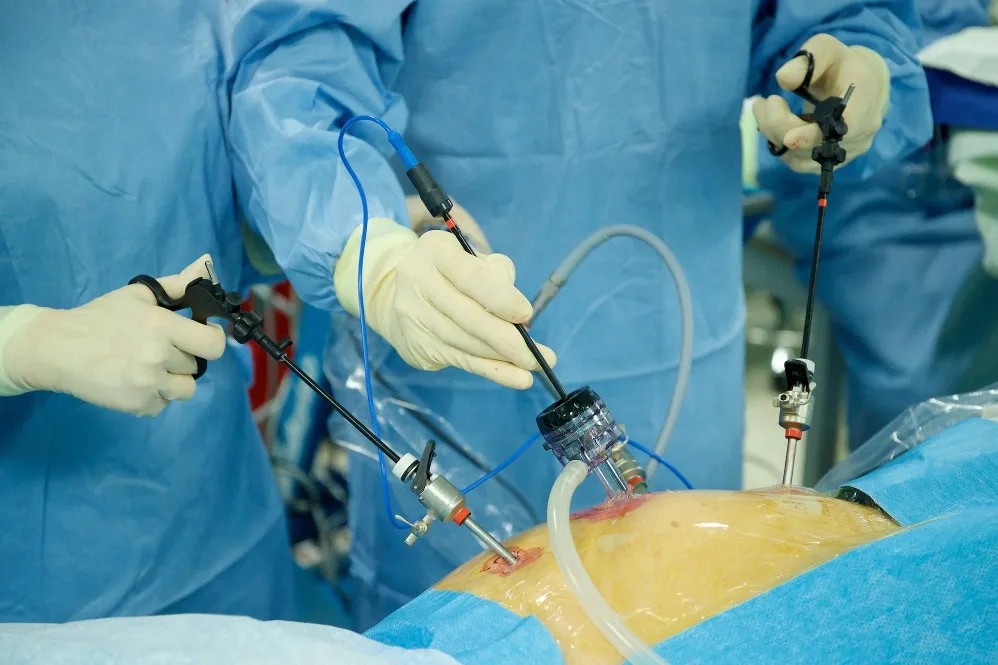
Laparoscopic hernia surgery is performed using a small camera and specialized surgical instruments inserted through tiny incisions in the abdomen. The surgeon repairs the weakened muscle, often reinforcing it with a surgical mesh to reduce the risk of recurrence.
Since the procedure avoids a large incision, there is generally less damage to the surrounding tissues compared to traditional open surgery.
Benefits of a Minimally Invasive Approach
Many patients choose laparoscopic surgery because it offers several practical advantages.
These include:
- Smaller incisions
- Less postoperative pain
- Reduced blood loss
- Shorter hospital stay in suitable cases
- Faster return to daily activities
The exact recovery experience depends on the patient's overall health and the complexity of the hernia.
Who Is a Suitable Candidate?
Laparoscopic surgery may be recommended for patients with:
- Inguinal hernia
- Umbilical hernia
- Femoral hernia
- Recurrent hernia after previous surgery
- Hernias on both sides of the groin
However, not every hernia can be treated laparoscopically. The surgeon considers factors such as the size of the hernia, previous abdominal surgeries, and any existing medical conditions before deciding on the best treatment approach.
Recovery After Surgery
Most patients are encouraged to start walking soon after surgery to improve circulation and support healing. Light daily activities can usually be resumed within a short period, while strenuous exercise and heavy lifting should be avoided until advised by the surgeon.
Following postoperative instructions carefully helps reduce the risk of complications and supports a comfortable recovery.
When Should You Consider Surgery?
Many people postpone treatment because the hernia is not constantly painful. However, delaying surgery can allow the bulge to increase in size and may lead to complications.
Medical evaluation is recommended if you experience:
- Increasing pain or discomfort
- A growing bulge
- Difficulty performing routine activities
- Pain while coughing or lifting
- A swelling that becomes difficult to push back
Early treatment is often simpler than managing a complicated hernia later.
Is Laparoscopic Surgery Safe?
Laparoscopic hernia repair is a commonly performed procedure with established safety when carried out by an experienced surgeon. Before surgery, a detailed assessment is performed, which may include a physical examination, blood tests, and other investigations if necessary.
This evaluation helps determine whether laparoscopic surgery is the most appropriate option for the individual patient.
Seeking Timely Surgical Care
Ignoring a hernia may lead to persistent discomfort and increase the possibility of emergency complications. Consulting a surgeon when symptoms first appear allows treatment to be planned under controlled conditions rather than during an emergency.
Patients looking for an experienced laparoscopic surgeon in Pimple Nilakh can consult Dr. Bharat Oza for a thorough evaluation and personalized treatment plan. Early diagnosis, combined with the appropriate surgical technique, can help patients recover comfortably and return to their normal routine with greater confidence.
Keywords