A recurring boil, discharge or small opening near the anus can be easy to ignore when symptoms temporarily settle. However, repeated swelling and drainage may indicate an anal fistula, particularly when there has previously been an abscess in the same area.
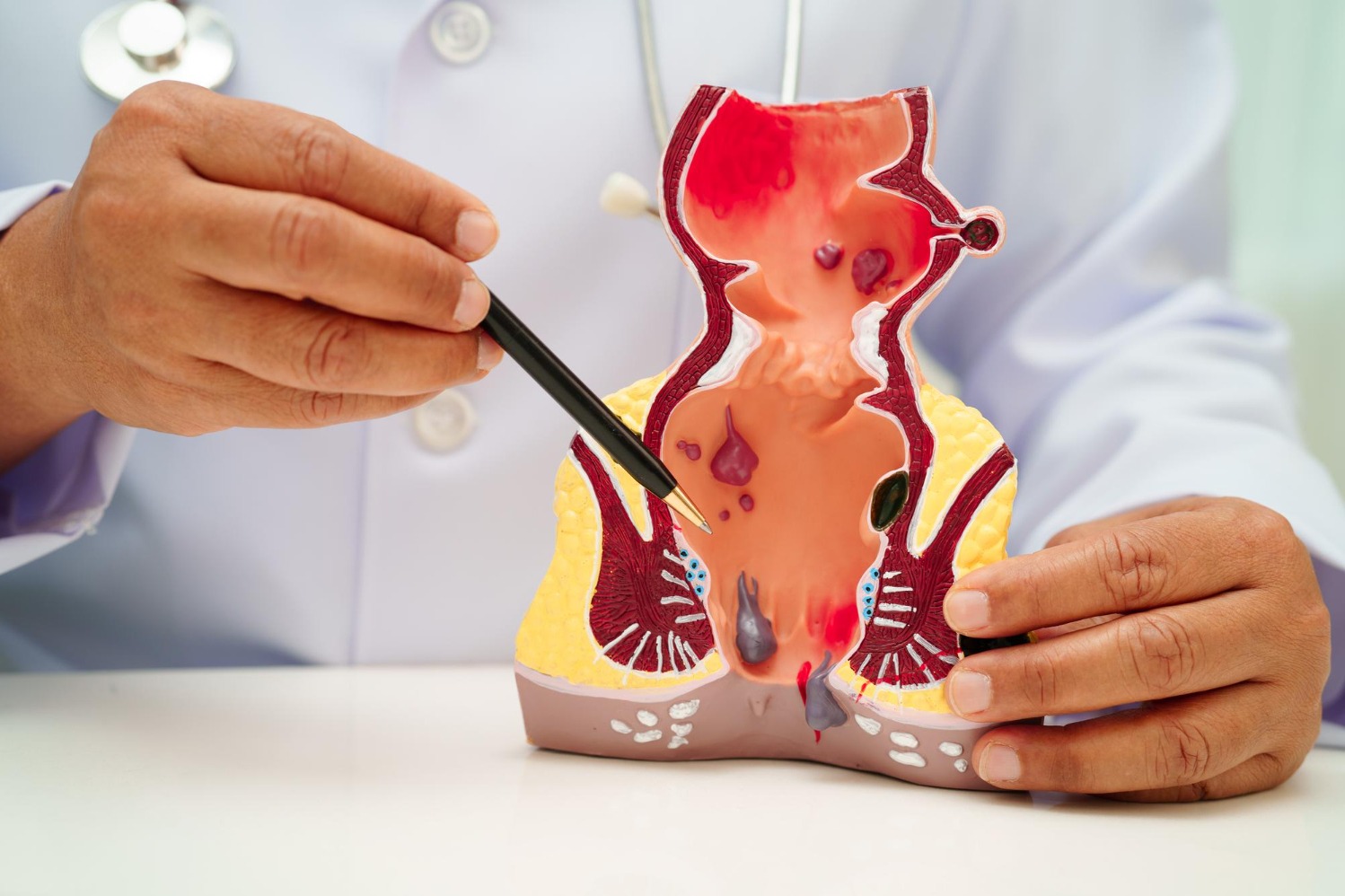
A fistula is an abnormal tract that commonly connects the anal canal with an opening in the skin around the anus. The condition often develops after an infection in an anal gland leads to an abscess.
Understanding the pattern of symptoms matters because temporary improvement does not necessarily mean the tract has disappeared.
Symptoms That May Suggest a Fistula
The presentation differs from person to person, but common concerns include:
- Repeated swelling near the anus
- Pus or fluid discharge
- Irritation around a small skin opening
- Pain that becomes worse during an infection
- Recurrent abscess formation
- Occasional blood-stained discharge
Some patients experience a cycle in which swelling increases, drainage occurs and the discomfort then decreases. This repeated pattern is useful information to share during consultation.
Why Examination Is Important
Not every painful lump around the anus is a fistula. Piles, fissures, abscesses and certain skin conditions can cause symptoms in the same general area.
A clinical examination helps distinguish between these possibilities.
The doctor may assess the position of the external opening, evidence of infection and previous scars. Further investigations may be recommended for complex, recurrent or unclear cases.
Fistula Treatment Depends on the Tract
One of the most important aspects of fistula management is understanding the relationship between the tract and the anal sphincter muscles.
This matters because treatment should aim to manage the fistula while protecting continence as much as possible.
There is no single procedure that is automatically appropriate for every fistula. Surgical planning depends on factors such as:
- Location of the tract
- Complexity
- Previous procedures
- Presence of an abscess
- Relationship with sphincter muscles
- Associated medical conditions
This is why simply comparing treatment names online can be misleading without knowing the anatomy of the individual fistula.
Avoid Delaying Recurrent Symptoms
People sometimes postpone evaluation because discharge reduces the pressure and provides temporary relief. Repeated infection, however, can continue when the underlying tract remains.
Patients in Thergaon, Kalewadi and nearby parts of Pimpri Chinchwad can seek assessment when the same area repeatedly becomes painful, swollen or begins discharging.
A Proctologist or surgeon experienced in anorectal conditions can determine whether the symptoms are consistent with fistula disease.
Preparing for a Consultation
Patients can make the consultation more useful by noting when the symptoms started, whether an abscess was previously drained and whether any procedure has already been performed.
Inform the doctor about diabetes, blood-thinning medication and other medical conditions as these may influence planning.
Dr. Bharat Oza provides consultation for patients seeking assessment of fistula and other proctological conditions in the Pimpri Chinchwad region.
Early evaluation can provide something that online symptom searching cannot — a clearer understanding of the actual condition and its anatomy.
Frequently Asked Questions
Can a fistula cause repeated pus discharge
Yes. Recurrent discharge from an opening near the anus is one possible fistula symptom and deserves clinical assessment.
Is every anal fistula treated in the same way
No. Treatment planning depends on the fistula tract, sphincter involvement, previous treatment and other clinical factors.
Can a fistula return after treatment
Recurrence can occur. The likelihood depends on factors including fistula complexity, anatomy and the treatment performed.
Is severe swelling with fever important
Yes. Significant pain, swelling, fever or feeling unwell can indicate infection or an abscess and should receive prompt medical attention.
Keywords