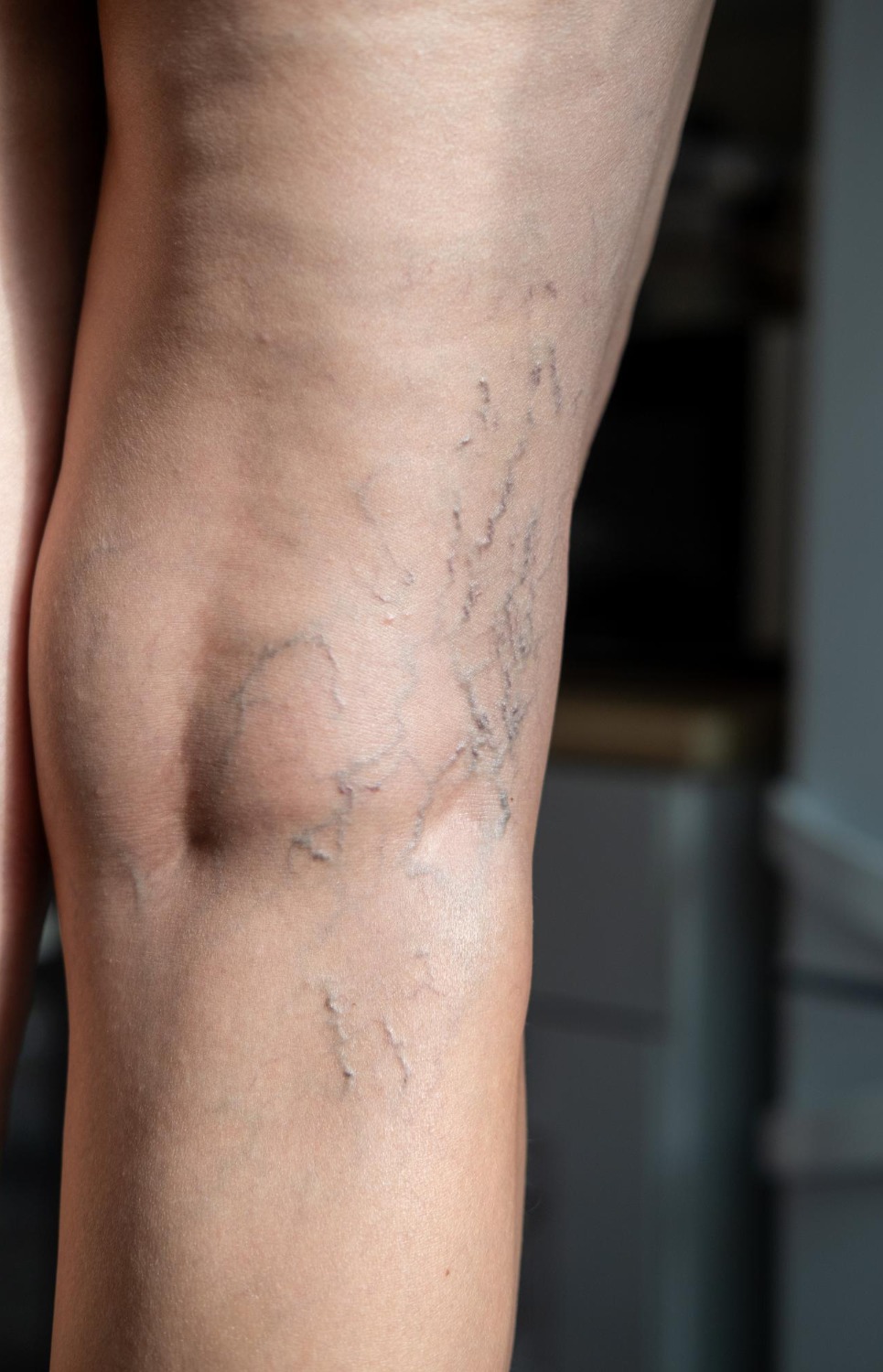
Visible, twisted veins in the legs are often treated as a cosmetic concern, but they can also be associated with aching, heaviness, swelling and skin changes. People searching for varicose veins frequently want to know whether the veins they can see are harmless or whether they deserve medical assessment.
Varicose veins develop when superficial veins become enlarged and twisted. Veins contain valves that help blood travel back toward the heart. When these valves do not function effectively, blood can pool within the vein and increase pressure.
For people in Pimpri Chinchwad, Maharashtra, particularly those whose work involves prolonged standing or sitting, understanding the symptoms can help determine when a surgical consultation may be appropriate.
Common Symptoms Linked With Varicose Veins
Some people have prominent veins without significant discomfort. Others experience symptoms that become more noticeable after spending several hours on their feet.
Possible symptoms include:
- Bulging blue or purple veins
- Aching or heaviness in the legs
- Ankle or lower-leg swelling
- Burning, throbbing or itching
- Night cramps
- Skin discolouration around the ankle
- Discomfort after prolonged standing
Symptoms do not establish the severity of venous disease by themselves. A clinical assessment is needed when there is persistent discomfort or progressive skin change.
Why Skin Changes Need Attention
Long-standing venous pressure can sometimes affect the surrounding skin. Patients may notice pigmentation, dry or itchy skin, hardening around the lower leg or a wound near the ankle that does not heal normally.
These changes should not simply be covered with creams without understanding the underlying cause.
Bleeding from a prominent vein, sudden significant swelling, severe leg pain or a non-healing ulcer also deserves medical attention.
How Varicose Veins Are Assessed
Assessment generally begins with a history and physical examination. The doctor may ask when symptoms occur, whether one or both legs are affected and whether there has been previous thrombosis, surgery or treatment.
A duplex ultrasound may be recommended in suitable cases. It can help evaluate blood flow and identify venous reflux or obstruction.
The findings help determine whether conservative management, continued observation or a procedure needs to be considered.
Daily Measures That May Help
Not every person with visible veins needs a procedure. Depending on the clinical situation, practical measures may include regular walking, avoiding long uninterrupted periods of standing or sitting, weight management when relevant and elevating the legs periodically.
Compression stockings may be advised for selected patients, but the appropriate type and suitability should be determined according to the patient's circulation and medical history.
When Surgical Evaluation Becomes Relevant
Persistent pain, recurrent swelling, troublesome prominent veins, skin changes, ulcers or bleeding can justify a more detailed evaluation.
Patients from Wakad, Hinjewadi and surrounding areas can discuss these concerns with Dr. Bharat Oza to understand the underlying venous problem and available management approaches.
The important question is not simply how the veins look. It is whether they are producing symptoms, complications or changes that affect everyday comfort and leg health.
Frequently Asked Questions
Are varicose veins always dangerous
No. Many varicose veins do not lead to serious complications. Persistent pain, swelling, skin changes, bleeding or ulceration should still be medically evaluated.
Can standing all day worsen symptoms
Long periods of standing can make aching, heaviness and swelling more noticeable in some people.
Does every visible vein require treatment
No. Management depends on symptoms, examination findings, ultrasound results when indicated and the individual's overall health.
Which doctor evaluates troublesome leg veins
A surgeon experienced in assessing venous conditions can examine the legs and determine whether further testing or treatment is appropriate.
Keywords