A painful swelling near the anus that bursts, drains, improves, and then returns can be more than a recurring boil. This pattern is commonly associated with an anal fistula, particularly when there has previously been an abscess in the area.
For patients in Pimple Nilakh, Maharashtra, repeated discharge or swelling is a useful reason to seek a proper surgical assessment instead of repeatedly treating each episode in isolation.
What Exactly Is an Anal Fistula
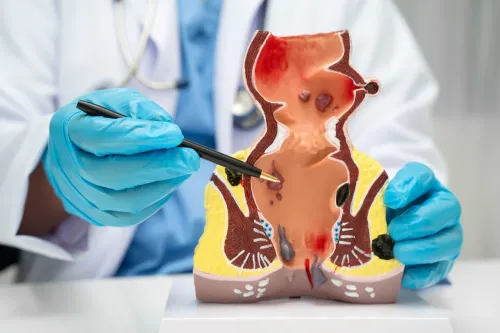
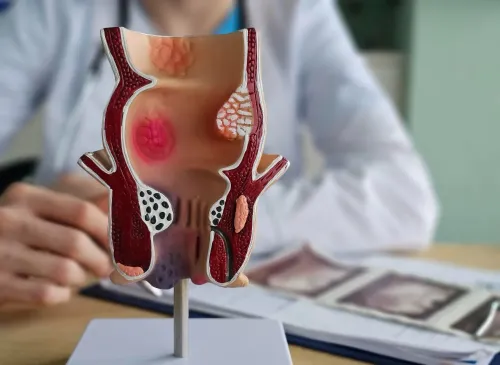
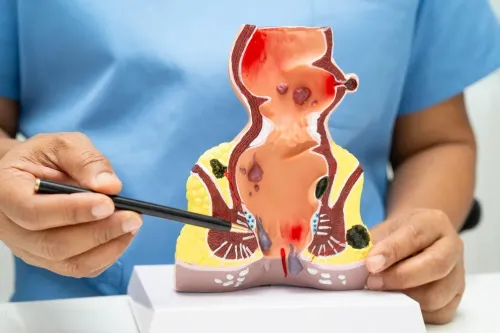
An anal fistula is an abnormal tract connecting the anal canal with the skin near the anus.
It commonly develops after infection in an anal gland creates an abscess. Even after the abscess drains, a persistent tract may remain.
Possible symptoms include:
- Recurrent pus or fluid discharge
- Pain around the anus
- Repeated swelling
- Skin irritation
- A small opening near the anus
- Episodes of improvement followed by recurrence
Some patients experience relatively little discomfort between episodes, which can create the impression that the problem has resolved.
Why Does It Keep Coming Back
When an underlying fistula tract remains, the external opening can temporarily close while the internal source persists.
Fluid can collect again, leading to renewed swelling, pain, and discharge.
This cycle is one reason repeated courses of medication may not permanently address an established fistula.
Why Proper Assessment Matters
The anatomy of fistulas varies. Some tracts are relatively straightforward, while others pass through or around muscles involved in bowel control.
Evaluation therefore focuses on identifying the course of the tract and its relationship with these muscles.
Clinical examination may be sufficient in some cases. Imaging such as MRI may be recommended for complex, recurrent, or unclear fistulas.
Is Laser Treatment Always the Best Option
Laser-assisted techniques are available for selected fistulas, but no single procedure is automatically appropriate for every patient.
The choice of treatment can depend on:
- Location of the internal opening
- Length and complexity of the tract
- Previous procedures
- Presence of an active abscess
- Relationship with sphincter muscles
- Associated medical conditions
Dr. Bharat Oza evaluates proctological and laser surgery cases with treatment selection based on the characteristics of the condition rather than using the same procedure for every fistula.
What Patients Should Discuss Before Treatment
Ask the surgeon to explain the type of fistula, proposed procedure, expected wound care, bowel management, recovery considerations, and possibility of recurrence.
Patients should also mention diabetes and other medical conditions because wound healing and infection risk may influence treatment planning.
A recurrent fistula is fundamentally different from a single superficial boil. When discharge repeatedly returns from the same area, identifying the underlying tract becomes important.
The objective of treatment is not merely to stop the current discharge. It is to understand the anatomy of the fistula and select an approach that addresses the disease while considering preservation of normal function.
Keywords